What Is Well Pump Repair?
Well pump repair is the diagnosis, repair and replacement of the equipment that draws water from a private well and delivers it to a home under pressure. A private well system has four main parts: the pump, which lifts water from the well; the pressure tank, which stores water under pressure so the pump does not start every time a tap opens; the pressure switch, which turns the pump on and off; and the controls, wiring and piping that connect them. When any part fails, the home can lose water entirely, see pressure swing, or hear the pump turning on and off constantly.
Homes on private wells have no water utility to call. The homeowner is responsible for the whole system, from the well to the tap, and a failure means no water for drinking, bathing or flushing until it is fixed. That makes fast diagnosis and repair important.
Water quality is a separate issue from the pump. Treatment for well water, such as iron, sulfur, hardness or bacteria, is covered on our water filtration systems page.
Signs of a Well Pump Problem
- No water: taps run dry throughout the house.
- Sputtering faucets: air in the lines, from a low water level or a leak in the drop pipe.
- Low or fluctuating pressure: pressure rises and falls during use.
- Pump short-cycling: the pump clicks on and off rapidly.
- Pump runs constantly: it never reaches the shut-off pressure.
- High electric bill: a pump running more than it should.
- Dirty or sandy water: sediment drawn in by a pump set too low or a failing well screen.
- Noises: clicking at the pressure switch or humming from the control box.
- Spitting or cloudy water: air entering the system.
Types of Well Pumps
The type of pump depends mainly on the depth of the water. The table below compares them.
| Pump type | Where it sits | Typical well depth | Notes |
|---|---|---|---|
| Submersible pump | Down in the well, below the water | Deep and medium wells | Most common; quiet and efficient; must be pulled up for service |
| Shallow-well jet pump | Above ground, in the house or a pump house | Shallow wells | Easy to service; loses prime if air enters |
| Deep-well (convertible) jet pump | Above ground, with jets in the well | Medium-depth wells | Less efficient than submersible pumps for deep wells |
| Constant-pressure pump | Variable-speed submersible with a controller | Many wells | Keeps pressure steady by changing speed |
How a Well System Works
When a tap opens, water flows out of the pressure tank and pressure in the system drops. When it falls to the cut-in pressure, the pressure switch turns the pump on. The pump refills the tank and pushes water to the house until pressure rises to the cut-out pressure, when the switch turns the pump off. Common settings are around 40/60 PSI or 30/50 PSI. The pressure tank holds a cushion of air above a bladder or diaphragm, which is what lets it store water under pressure. If that air charge is wrong, the pump short-cycles, which wears it out quickly.
Common Well Problems and Their Causes
| Problem | Likely cause | Typical fix |
|---|---|---|
| No water | Tripped breaker, failed pressure switch, failed pump or motor, low water level | Reset; replace switch; pull and replace pump |
| Short-cycling | Waterlogged pressure tank, wrong air charge, failed bladder | Recharge or replace the tank |
| Low pressure | Switch set low, clogged filter, worn pump, small tank | Adjust; replace filter; replace pump or tank |
| Pump runs constantly | Leak in the drop pipe, failing pump, low well yield | Repair pipe; replace pump; consult a well driller |
| Air in the water | Low water level, leak in the drop pipe, failed check valve | Repair the leak; lower the pump; replace the valve |
| Sediment | Pump too close to the bottom, failing well screen | Raise the pump; consult a well professional |
| Clicking switch | Worn contacts, pressure issues | Replace the switch |
How a Plumber Diagnoses a Well Pump
- 1
Check power: breakers, fuses and the control box for the pump.
- 2
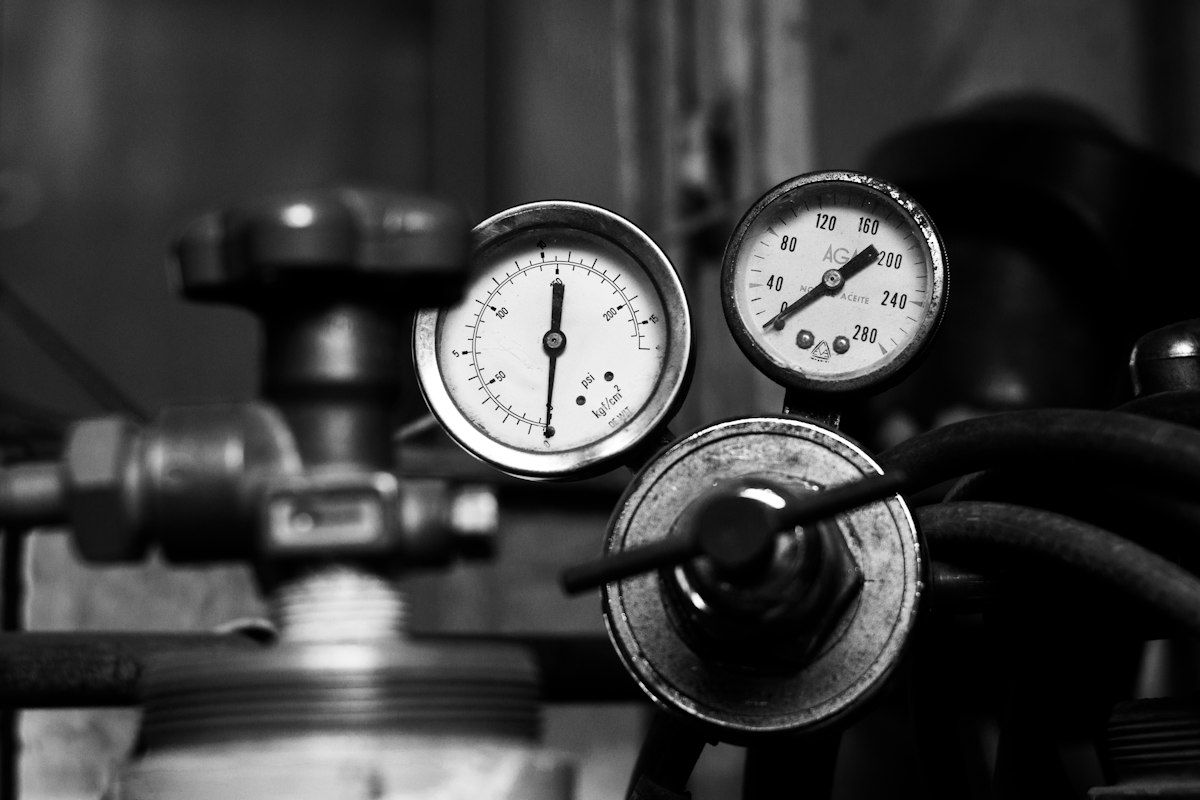
Read the pressure gauge: watch pressure as water runs and as the pump cycles.
- 3
Test the pressure switch: contacts and settings.
- 4
Check the pressure tank: air charge and signs of a waterlogged or failed bladder.
- 5
Test the motor: electrical readings at the control box show whether the pump motor is healthy.
- 6
Pull the pump if needed: submersible pumps are lifted out with the drop pipe for inspection or replacement.
Pressure Tanks
| Tank issue | Sign | Fix |
|---|---|---|
| Low air charge | Pump short-cycles | Recharge air with the system drained |
| Failed bladder | Water comes out of the air valve; short-cycling | Replace the tank |
| Tank too small | Pump runs very often | Install a larger tank |
| Rust or leaks | Visible corrosion or drips | Replace the tank |
A correctly sized and charged pressure tank makes the pump run in longer, fewer cycles, which extends its life.
Pump Replacement
Replacing a submersible pump means pulling the pump, drop pipe and wiring out of the well, often with a pump hoist for deep wells. The plumber or well technician replaces the pump, check valve and worn wiring or pipe, lowers the new pump to the correct depth, and tests the system. A jet pump is replaced above ground. In both cases, the pressure switch and tank are checked and often replaced at the same time.
What Affects the Cost of Well Pump Repair?
| Factor | Effect on cost |
|---|---|
| Part that failed | A switch costs far less than a submersible pump |
| Well depth | Deeper wells need more pipe, wire and pulling time |
| Pump type and size | Larger and constant-pressure pumps cost more |
| Pressure tank replacement | Often done with a pump replacement |
| Access | Wells in tight or remote spots take longer |
| Emergency timing | No-water calls outside business hours may cost more |
How Long Does Well Pump Repair Take?
Replacing a pressure switch or recharging a tank usually takes an hour or two. Replacing a pressure tank takes a few hours. Replacing a submersible pump usually takes half a day or more, depending on depth. Problems with the well itself, such as low yield, may need a licensed well driller.
Well Water Testing
Private wells are not regulated like public water systems, so testing is the owner's job. Health agencies commonly recommend testing well water at least once a year for bacteria, nitrates and other contaminants of local concern, and after any flood, repair or change in taste, color or smell. Your local health department can advise on testing and certified labs. If testing shows problems, water filtration systems or a water softener installation can treat them.
What to Expect During a Well Service Visit
The technician will need access to the well head, the pressure tank and the electrical panel. Expect the water to be off while parts are replaced. If the pump must be pulled, equipment may be set up over the well, and the area around the well cap should be clear. After a repair or pump replacement, the system is often disinfected, especially if the well was opened, and the water should be tested before drinking if there is any doubt.
Preventing Well Pump Problems
- Check the pressure tank air charge every year or two.
- Watch for short-cycling: it shortens pump life.
- Protect the well head: keep the cap sealed and the area clear of chemicals.
- Test the water yearly.
- Install surge protection: lightning and power surges damage pump controls.
- Avoid running the pump dry: heavy irrigation during droughts can lower the water level.
Constant-Pressure Well Systems
A traditional well system lets pressure swing between the switch's cut-in and cut-out settings, so shower pressure rises and falls as the pump starts and stops. A constant-pressure system uses a variable-speed pump and a controller that changes the motor speed to match demand, keeping pressure steady while water runs. These systems give a city-water feel, can use a smaller pressure tank, and start the motor gently, which reduces wear. They cost more than a standard pump and switch, and the electronic controller needs protection from power surges. They suit homes with several bathrooms, irrigation or long showers where steady pressure is valued.
Shallow Wells vs. Deep Wells
The depth of a well affects which pump is used, how much it costs to service, and how the well responds to drought. Shallow wells draw from water near the surface. They are cheaper to service, often with an above-ground jet pump, but their water level drops faster in dry periods and they can be more exposed to surface contamination. Deep wells draw from aquifers further down. They use submersible pumps, cost more to service because the pump must be pulled up a long drop pipe, and usually have more stable water levels and quality. Your well's depth and construction are often recorded in the well log, which may be held by your state or county.
When to Call a Well Driller Instead
Some well problems are in the well itself rather than the pump. A licensed well driller handles a well that is running dry because the aquifer has dropped, a well screen that lets in sand, a cracked casing, or a well that needs deepening or replacing. If a new pump keeps losing water, or the water level is low even after resting overnight, the well itself may be the issue.
Well Systems and Power Outages
A well pump runs on electricity, so a power outage means no water once the pressure tank empties. A larger pressure tank stores a little more water, but it will not last long. Homes that lose power often should consider a generator sized to start the well pump, which draws a large surge of current at startup. A licensed electrician installs a transfer switch so the generator can safely power the pump. Keeping a supply of drinking water and filling bathtubs for flushing before a forecast storm are simple backup steps.
Well Pumps and Water Treatment Equipment
Treatment equipment such as sediment filters, water softeners, iron filters and UV systems sits between the pressure tank and the house. Each one causes some pressure drop, and clogged filters cause more. If pressure falls after new treatment equipment is added, check the filters first. The pump and tank must be sized to supply the house through the treatment equipment, and some systems, such as backwashing filters, need a minimum flow from the well to clean themselves properly.
Questions to Ask Your Plumber
- 1
Is the problem the pump, the switch or the tank? Ask how they confirmed it.
- 2
Is my pressure tank sized correctly? An undersized tank shortens pump life.
- 3
Should I consider a constant-pressure system? It gives steadier pressure.
- 4
Do I need a well driller? For low yield or well screen problems.
- 5
Should the well be disinfected after this repair? Ask about testing too.
Well Pump FAQs
Why do I have no water from my well?
Common causes are a tripped breaker, a failed pressure switch, a failed pump or motor, or a low water level in the well. A plumber can test each part.
How long does a well pump last?
Many well pumps last around 8 to 15 years, depending on water quality, use, sizing and how often they cycle.
Why does my well pump keep turning on and off?
Rapid cycling usually means a waterlogged pressure tank, a wrong air charge or a failed bladder. Fixing the tank protects the pump.
Is no water an emergency?
Yes. A home without water cannot be used safely. Call our 24-hour emergency plumbing line for urgent help.
Should I test my well water?
Yes. Private well owners are responsible for water safety. Annual testing is commonly recommended, plus testing after repairs, floods or changes in the water.
Related Plumbing Services
Well systems connect to several services. Water quality is handled through water filtration systems and water softener installation. Pressure problems are explained on our water pressure repair page, and other home pumps are covered under sump pump service.