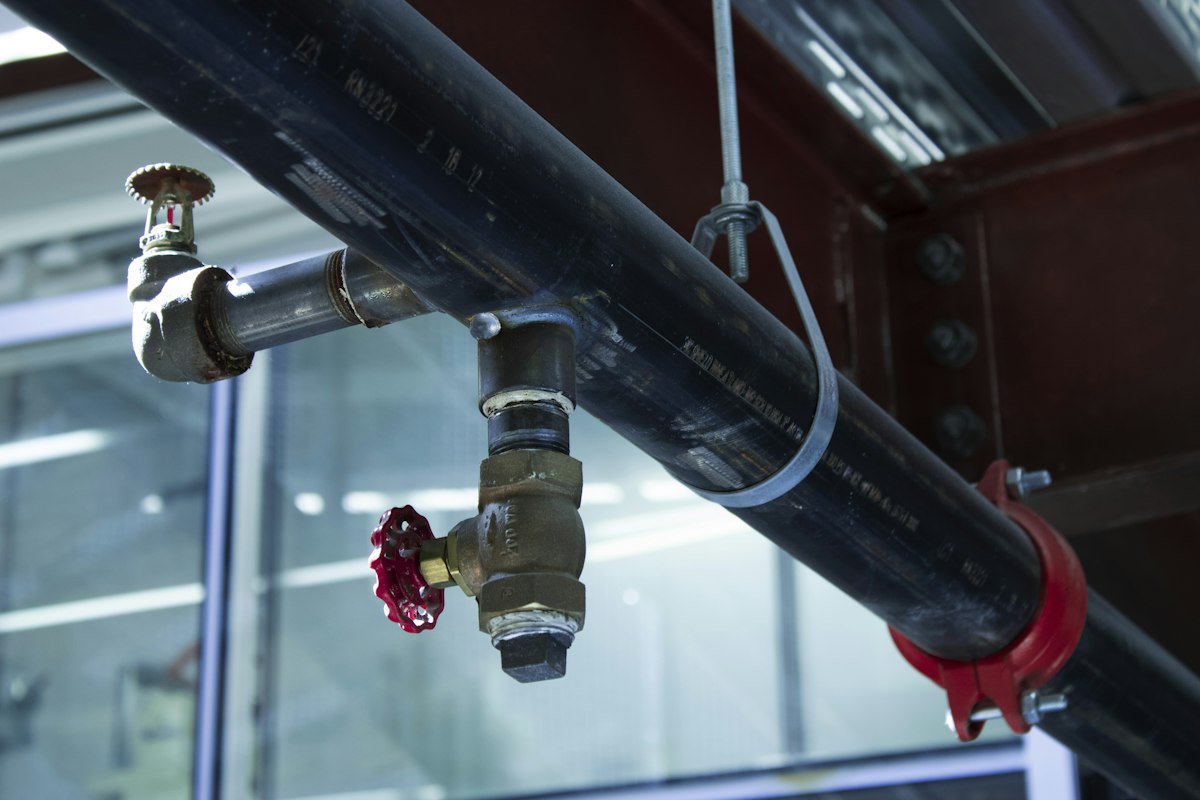
What Is Gas Line Repair and Installation?
Gas line repair and installation is the work of repairing, replacing, extending and testing the pipes that carry natural gas or propane to appliances in and around a home. Gas piping runs from the gas meter or propane tank to appliances such as furnaces, water heaters, ranges, ovens, clothes dryers, fireplaces, grills, fire pits, pool heaters and generators. Each appliance connects through a shut-off valve and an approved connector. Because gas is flammable and incomplete burning can produce carbon monoxide, gas work must be done by a qualified professional, sized correctly, tested for leaks and, in most places, permitted and inspected.
Licensed plumbers with gas qualifications install and repair gas piping in most jurisdictions. The work includes finding and repairing leaks, replacing old or recalled connectors, sizing and running new lines for added appliances, upgrading lines that are too small, and pressure-testing systems.
Safety comes first. If you smell gas, leave the home immediately, do not use light switches, phones or anything that can spark, and call your gas utility or 911 from outside. Call a plumber once the utility says the area is safe.
Signs of a Gas Line Problem
- Smell of rotten eggs: utilities add an odorant called mercaptan to natural gas so leaks can be smelled.
- Hissing or whistling: near a gas line, meter or appliance.
- Dead or dying plants: over a buried gas line.
- Bubbles in standing water or mud: over a buried line.
- Higher gas bills: without a change in use.
- Appliance flames burning yellow or orange: instead of blue, a sign of poor combustion.
- Soot around appliances: poor combustion or venting.
- Physical symptoms: headaches, dizziness or nausea at home, which can signal carbon monoxide; leave and call 911.
- Carbon monoxide alarm sounding.
What to Do if You Smell Gas
- 1
Leave the building immediately with everyone, including pets.
- 2
Do not touch switches, plugs, phones, doorbells or anything that can make a spark.
- 3
Do not light anything or start a car in an attached garage.
- 4
Leave the door open behind you if it is safe.
- 5
Call the gas utility or 911 from outside, well away from the building.
- 6
Do not return until the utility or fire department says it is safe.
The utility will shut off gas and check for leaks. A plumber then repairs the leak and restores service.
Common Gas Line Services
| Service | What it involves |
|---|---|
| Leak detection and repair | Finding the leak with detectors and soap tests, then repairing or replacing the section |
| New appliance hookup | Running a line to a new range, dryer, water heater or fireplace |
| Outdoor gas lines | Lines to grills, fire pits, pool heaters and outdoor kitchens |
| Generator gas supply | Line to a standby generator, sized for its demand |
| Line upsizing | Replacing undersized pipe when adding high-demand appliances |
| Connector replacement | Replacing old or uncoated flexible connectors |
| Shut-off valve replacement | New appliance or main gas valves |
| Pressure testing | Testing new or repaired piping before use, as codes require |
| Propane systems | Piping from the tank, regulators and appliance conversions |
Gas Pipe Materials
| Material | Where used | Notes |
|---|---|---|
| Black iron (steel) pipe | Inside homes, exposed or concealed | Traditional and durable; threaded joints |
| CSST (corrugated stainless steel tubing) | Inside homes | Flexible, fewer joints; must be bonded to the electrical ground as the manufacturer and code require |
| Polyethylene (PE) | Underground only | Yellow plastic pipe used for buried lines |
| Copper | Some areas, mainly propane | Allowed in some jurisdictions only |
| Flexible appliance connectors | From the valve to the appliance | Must be approved; old uncoated brass connectors should be replaced |
Local codes decide which materials are allowed and how they must be installed and protected.
How a Plumber Sizes a Gas Line
A gas line must deliver enough gas for all connected appliances running at once. Undersized lines cause weak burners, appliances that will not light or stay lit, and poor performance from high-demand equipment such as tankless water heaters. A plumber sizes a line with the steps below.
- 1
Add up the demand: each appliance's rating in BTUs per hour, from its label.
- 2
Measure the length: the distance from the meter or tank to the farthest appliance.
- 3
Check the pressure: the supply pressure and allowable pressure drop.
- 4
Use code sizing tables: to choose the pipe diameter for each section.
Adding a tankless water heater, a large range or a generator to an existing system often requires upsizing part of the line. See tankless water heater installation for why tankless units need so much gas.
How Gas Line Work Is Done
- 1
Shut off the gas at the meter or appliance valve.
- 2
Plan the route and confirm sizing and materials.
- 3
Pull a permit where required.
- 4
Install or repair the piping with approved materials and fittings.
- 5
Pressure-test: the system is pressurized and watched for a drop, as code requires.
- 6
Inspection: the inspector checks the work in many jurisdictions.
- 7
Restore gas and relight appliances: each pilot or ignition system is checked, and the plumber checks for leaks at every joint.
Carbon Monoxide Safety
Carbon monoxide (CO) is a colorless, odorless gas produced when fuel burns incompletely. Gas appliances that are poorly adjusted, damaged or badly vented can release it into the home. CO alarms are the only way to detect it. Install CO alarms on every level of the home and near sleeping areas, test them regularly, and replace them as the manufacturer recommends. If a CO alarm sounds, get everyone outside and call 911. A plumber or HVAC technician then checks appliances and venting before they are used again.
What Affects the Cost of Gas Line Work?
| Factor | Effect on cost |
|---|---|
| Length and route | Longer runs and finished walls take more time |
| Pipe material | Black iron, CSST and PE differ in material and labor |
| Indoor or underground | Buried lines need trenching |
| Line upsizing | Replacing existing pipe adds cost |
| Number of appliances | More connections and valves |
| Permits and inspections | Required in most areas |
| Emergency timing | Leak calls after hours may cost more |
How Long Does Gas Line Work Take?
A new appliance hookup near an existing line usually takes one to three hours. A new line to an outdoor kitchen or generator usually takes most of a day, longer with trenching. Leak repairs vary by location. Inspection scheduling can add time before gas is restored.
Gas Appliance Conversions
Converting an appliance from electric to gas, such as a range, dryer or water heater, requires a gas line to that location, an approved shut-off valve, a connector, and for some appliances venting. Converting an appliance between natural gas and propane requires a conversion kit with different orifices and regulator settings, installed by a qualified technician. Never connect an appliance to a different fuel without converting it.
Maintaining Gas Lines and Appliances
- Keep CO alarms working on every level.
- Have gas appliances serviced as manufacturers recommend.
- Watch flame color: blue is normal; yellow or orange needs checking.
- Replace old flexible connectors behind ranges and dryers.
- Keep the meter and regulator clear of snow, ice and plants.
- Call 811 before digging to avoid buried gas lines.
Natural Gas vs. Propane
Homes use one of two gas fuels, and the difference affects piping, pressure and appliances.
Natural gas is delivered by a utility through underground mains to a meter at the home. The utility owns the line up to and including the meter, and the homeowner is usually responsible for the piping after the meter. Natural gas is lighter than air, so leaks tend to rise and disperse.
Propane is stored in a tank on the property, refilled by a supplier. A regulator at the tank, and often a second regulator at the house, reduces tank pressure to the level appliances use. Propane is heavier than air, so leaks can collect in low areas such as basements and crawl spaces, which is why propane appliances in basements need particular care. The propane supplier usually owns or services the tank, while the homeowner is responsible for the piping from the tank to the appliances.
Appliances are built for one fuel or the other. Switching fuels requires a conversion kit with the correct orifices and regulator settings, installed and tested by a qualified technician.
How Gas Leaks Are Found
Plumbers use several methods to find gas leaks. An electronic combustible gas detector sniffs the air along pipes and fittings and sounds when it detects gas. A soap solution brushed onto joints bubbles where gas escapes, which pinpoints the exact fitting. A pressure test isolates the piping and watches a gauge for any drop over a set time, which confirms whether the system is tight. For buried lines, the plumber checks along the route and at the meter or tank connection. Once the leak is found, the section or fitting is repaired or replaced and the system is tested again before gas is restored.
Older Gas Connectors and Recalled Parts
Some older homes still have uncoated brass flexible connectors between appliances and their shut-off valves. These connectors were made decades ago and can crack at their flared fittings as they age or when an appliance is moved, which is why safety agencies have long recommended replacing them. Any connector that is kinked, corroded, shows no coating, or has been reused when an appliance was replaced should be swapped for a new, approved coated connector of the correct length. This is a quick, low-cost upgrade that a plumber can do during any appliance hookup. Always confirm the new connector is rated for the appliance's gas demand and is the correct length, since a stretched or kinked connector is a leak risk.
Gas Lines and Remodels
A kitchen remodel or new outdoor living space is a natural time to plan gas work. Moving a range, adding a gas cooktop on an island, installing a gas fireplace or building an outdoor kitchen all need new or extended piping, sized for every appliance on the system. Planning the gas route before cabinets, flooring and patios go in avoids cutting into finished surfaces later. Outdoor lines are usually buried in a trench at the depth local code requires, with tracer wire alongside plastic pipe so the line can be located later. Each outdoor appliance also gets its own accessible shut-off valve near the appliance.
Questions to Ask Your Plumber
- 1
Are you qualified for gas work in my area?
- 2
Is my existing line large enough for the new appliance?
- 3
What pipe material will you use, and is CSST bonded correctly?
- 4
Will you pull a permit and arrange inspection?
- 5
How will you test for leaks before restoring gas?
Gas Line FAQs
Can a plumber install a gas line?
Yes. Licensed plumbers with gas qualifications install and repair gas lines in most jurisdictions. Requirements vary by state and city.
How do I know if my gas line is leaking?
A rotten-egg smell, hissing near a line, bubbles in wet soil over a buried line, dying plants, or a rising gas bill can signal a leak. If you smell gas, leave and call the utility from outside.
Do I need a permit to add a gas line?
Most jurisdictions require a permit and inspection for new gas piping and many repairs. Your plumber normally handles the permit.
Can I run a gas line to my grill or fire pit?
Yes. Outdoor gas lines to grills, fire pits and outdoor kitchens are common. They need correct sizing, approved materials, a shut-off valve and often trenching.
Is a gas leak an emergency?
Yes. Leave the home and call your gas utility or 911 from outside. After the area is made safe, call our 24-hour emergency plumbing line for repairs.
Related Plumbing Services
Gas lines feed several appliances covered on other pages. Gas tank heaters are covered under water heater repair, and on-demand heaters under tankless water heater installation. Kitchen gas connections are part of kitchen and bathroom plumbing, and urgent problems are handled by our 24-hour emergency plumbing line.