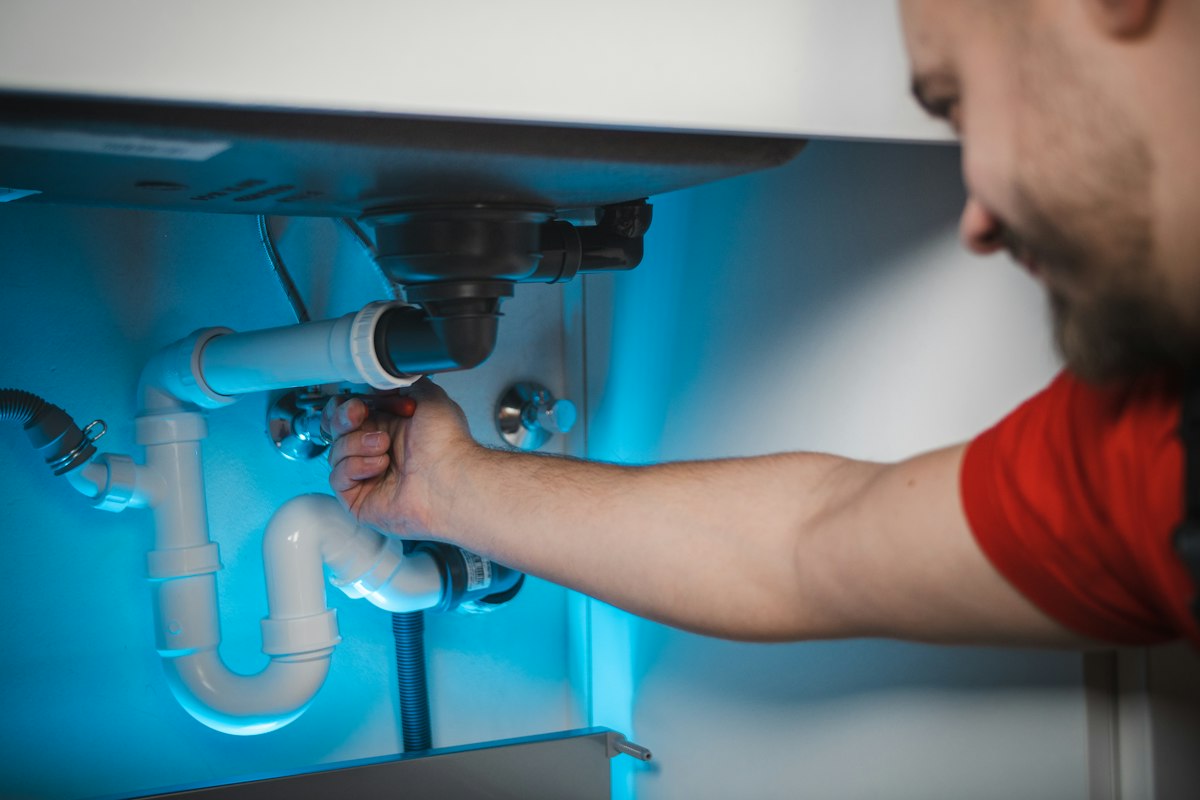
What Is a Plumbing Inspection?
A plumbing inspection is a systematic check of a home's plumbing by a plumber, covering the water supply, drains, fixtures, water heater, valves and, when included, the sewer line through a video camera inspection. The goal is to find problems while they are small, record the condition and age of each part of the system, and give the owner a clear list of what needs attention now, what can be planned, and what is in good condition. A good inspection ends with a written report, with photos or video, that the owner can use to budget repairs, negotiate a home purchase, or satisfy an insurer.
A plumbing inspection is different from a general home inspection. A home inspector checks visible plumbing as one part of a whole-house review, usually without specialized tools. A plumber's inspection goes deeper: it tests water pressure, checks for hidden leaks, assesses the water heater in detail, operates valves, and often sends a camera through the sewer line, which a general home inspection usually does not include.
Inspections are most valuable before buying an older home, before a remodel, when a home has had recurring problems, and as routine maintenance for older plumbing.
When to Get a Plumbing Inspection
- Buying a home: especially a home more than about 20 years old.
- Selling a home: to find and fix problems before a buyer's inspection.
- Before a remodel: to know what old plumbing should be replaced while walls are open.
- After recurring problems: repeated clogs, leaks or low pressure.
- After a major event: a freeze, flood or earthquake.
- Routine maintenance: every few years for older systems.
- Rising water bills: to check for hidden leaks.
- Insurance requirements: some insurers ask about older plumbing materials.
What a Plumbing Inspection Covers
The table below lists the areas a thorough inspection checks.
| Area | What the plumber checks |
|---|---|
| Water supply pipes | Material, age, corrosion, leaks, signs of past repairs |
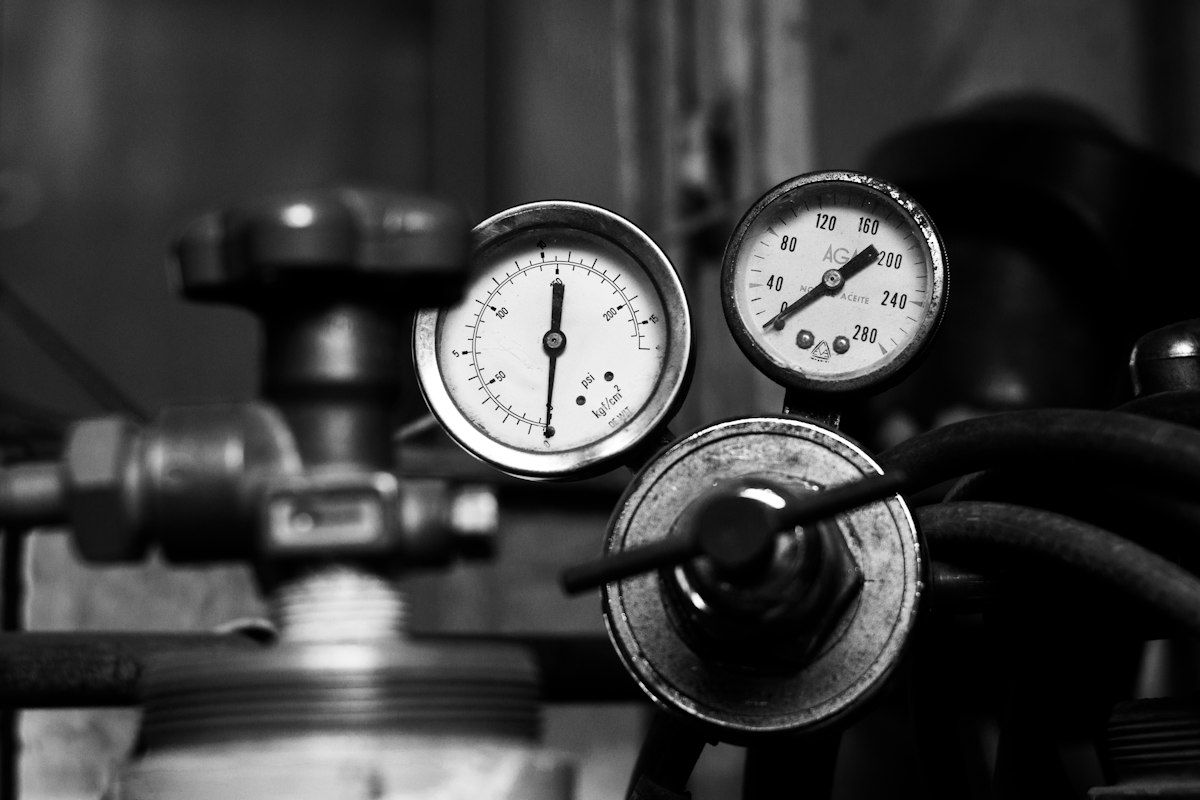
| Water pressure | Static pressure with a gauge; pressure regulator function |
| Main shut-off valve | Location, condition and whether it operates |
| Fixture valves | Whether sink and toilet valves turn and seal |
| Fixtures | Faucets, sinks, toilets, tubs and showers for leaks and function |
| Drains | Flow at each fixture; signs of slow drains or backups |
| Vents | Signs of venting problems, such as gurgling or sewer smells |
| Water heater | Age, condition, venting, relief valve, expansion tank, signs of leaks |
| Leak check | Meter test for hidden supply leaks |
| Sewer line | Camera inspection for roots, breaks, sags and material |
| Gas lines (where included) | Visible piping, connectors and valves |
| Outdoor plumbing | Hose bibs, irrigation backflow device, visible lines |
| Sump pump (where present) | Operation, check valve and discharge |
Sewer Camera Inspections
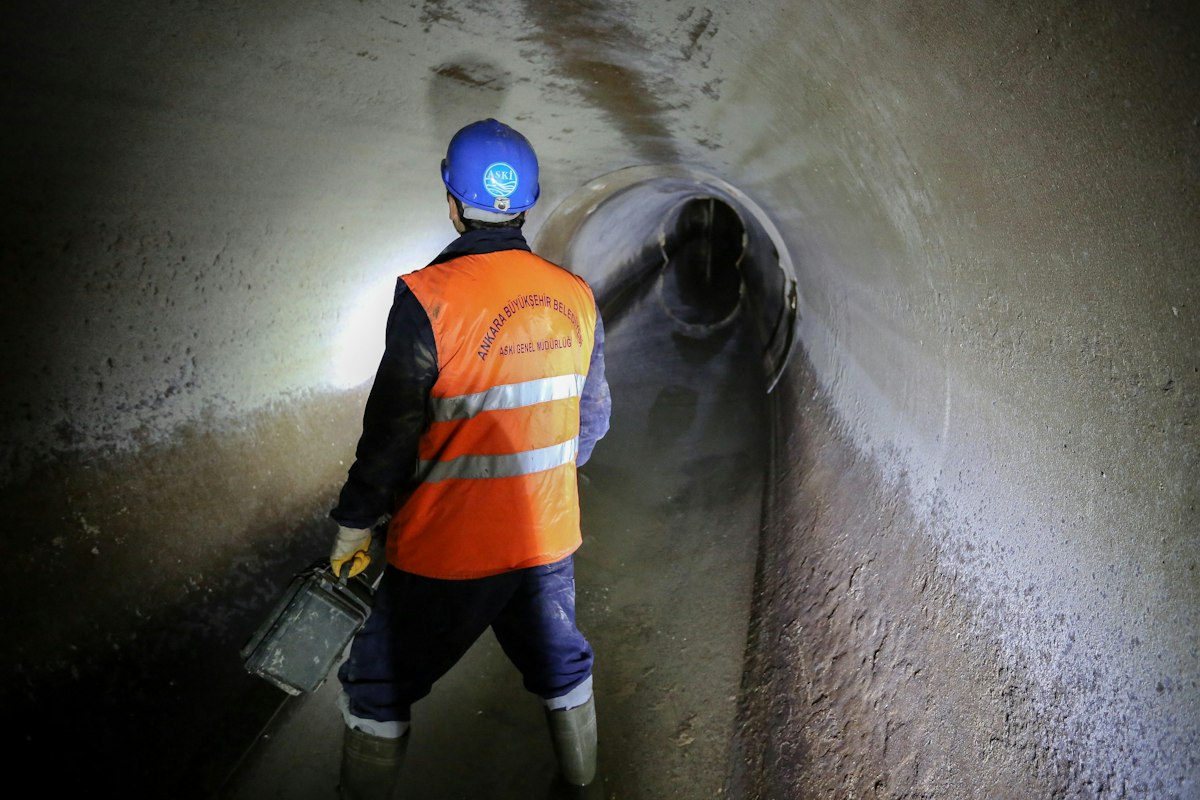
A sewer camera inspection, often called a sewer scope, sends a waterproof camera on a flexible rod through the main sewer line from a cleanout. The video shows the inside of the line from the house toward the street or septic tank. The plumber looks for the problems below.
- Tree roots entering at joints or cracks.
- Cracks, breaks and holes in the pipe wall.
- Offset joints where pipe sections have shifted.
- Bellies or sags where waste collects.
- Collapsed sections.
- Pipe material, including clay, cast iron, fiber or plastic.
- Grease and debris buildup.
A locator shows where defects are and how deep. Sewer line repairs can be among the most expensive plumbing repairs, so a sewer scope before buying a home is one of the most valuable checks a buyer can order. Repairs are explained on our sewer line repair page.
Pipe Materials an Inspection Identifies
Knowing what pipes a home has tells you a lot about future risk. The table below lists materials that often prompt further action.
| Material | Concern |
|---|---|
| Galvanized steel supply pipe | Rust restricts flow and leaks develop with age |
| Polybutylene supply pipe | Prone to sudden failure; many owners replace it |
| Lead service line or pipe | Health risk; replacement recommended |
| Cast iron drains | Corrosion, cracks and scale with age |
| Clay sewer pipe | Root intrusion at joints |
| Orangeburg sewer pipe | Deformation and collapse with age |
If any of these turn up, the report should explain the risk and the options, such as whole-house repiping or main water line repair.
How a Plumbing Inspection Is Done
- 1
Interview: the plumber asks about the home's age, past problems and any concerns.
- 2
Main valve and meter: locate and test the main shut-off; run a meter test for hidden leaks.
- 3
Pressure test: measure static pressure and check the regulator.
- 4
Fixture check: run water at every fixture, check drains, look for leaks under sinks and around toilets.
- 5
Water heater review: read the age, check the relief valve, venting, connections and signs of leaks.
- 6
Visible piping: inspect pipes in basements, crawl spaces, garages and utility areas.
- 7
Sewer camera: run the camera through the main line if included.
- 8
Report: a written summary with photos or video, priorities and recommendations.
Inspections When Buying a Home
A plumbing inspection during a home purchase protects the buyer from expensive surprises. The findings can support asking the seller to make repairs, lower the price, or provide a credit. Because inspection windows in purchase contracts are short, book the plumbing inspection and sewer scope early. Ask the plumber to focus on the big-ticket items: the sewer line, the age and condition of the water heater, the pipe materials, and any signs of hidden leaks or past water damage.
What Affects the Cost of a Plumbing Inspection?
| Factor | Effect on cost |
|---|---|
| Scope | A visual inspection costs less than one with a sewer camera |
| Home size | More fixtures and pipe take longer |
| Sewer access | An accessible cleanout makes the camera inspection faster |
| Additional tests | Leak detection, gas checks or water testing add time |
| Report detail | Detailed reports with video take longer to prepare |
How Long Does an Inspection Take?
A plumbing inspection usually takes one to three hours, depending on the size of the home and whether a sewer camera inspection is included. A sewer scope alone usually takes about an hour when there is a clean, accessible cleanout. The written report may follow the same day or shortly after.
Reading Your Inspection Report
A useful report sorts findings into priorities. The table below shows a common way to read it.
| Priority | Meaning | Examples |
|---|---|---|
| Urgent | Safety risk or active damage | Gas leak, active leak, failed relief valve, sewage leak |
| Soon | Likely to fail or cause damage | Old water heater, corroded valves, root intrusion |
| Plan | Expected maintenance or upgrades | Pipe replacement, fixture updates |
| Monitor | Watch for changes | Minor corrosion, slow drains |
Ask the plumber to explain each item and give a rough idea of the work involved.
Maintenance Between Inspections
- Run a meter test twice a year to catch hidden leaks.
- Exercise valves once a year so they do not seize.
- Flush the water heater yearly.
- Check under sinks every few months.
- Test the sump pump before the rainy season; see sump pump service.
- Clean aerators and showerheads.
- Schedule routine drain cleaning for older drain systems.
Inspections for Older Homes
Older homes carry more plumbing risk because materials age and building practices have changed. A home built before about 1980 may have galvanized supply pipe, cast iron drains, clay sewer pipe and old gate valves, all of which tend to fail with age. A home built from the late 1970s to the mid-1990s may have polybutylene supply pipe. Homes built before the late 1980s may have lead solder on copper pipe or, in some areas, a lead service line. An inspection of an older home focuses on identifying these materials, judging their condition and estimating what will need replacing in the next few years, so the owner can plan rather than react.
Inspections Before a Remodel
Before a kitchen or bathroom remodel, a plumbing inspection shows what is behind the walls and under the floors that will soon be opened. It identifies old pipe that should be replaced while access is easy, checks whether the drain and vent system can handle new or moved fixtures, confirms the water heater can support a larger tub or shower, and verifies that the main line can carry any added fixtures. Finding these issues before demolition prevents mid-project surprises and change orders. See kitchen and bathroom plumbing for how remodel plumbing is planned.
Water Heater Assessments
The water heater is one of the most important items in any inspection, because a failed tank can flood a home and an unsafe gas heater can produce carbon monoxide. The plumber reads the manufacture date from the serial number, checks for rust and leaks at the base and fittings, confirms the temperature and pressure relief valve has a proper discharge pipe, checks venting on gas units, and looks for an expansion tank where code requires one. The report notes the heater's age against its expected lifespan, so a buyer or owner can plan for replacement. Details are covered on our water heater repair page.
Inspections for Landlords and Property Managers
Rental properties benefit from regular plumbing inspections between tenants or on a yearly schedule. An inspection catches slow leaks under sinks and around toilets that tenants may not report, confirms shut-off valves work, checks water heaters and finds drain problems before they turn into backups. Documenting the condition of the plumbing at the start and end of a tenancy also helps settle questions about damage.
Water Quality and Inspections
A standard plumbing inspection focuses on the condition of the system, not the chemistry of the water. Water quality testing can be added, and it is especially useful for homes on private wells, homes with older plumbing that may contain lead, and homes where owners notice stains, odors or taste problems. The plumber can collect samples or recommend a certified laboratory, and treatment options are explained on our water filtration systems page.
What to Expect on Inspection Day
The plumber needs access to every bathroom, the kitchen, the laundry, the water heater, the main shut-off valve, the water meter and the sewer cleanout, plus any basement, crawl space or garage where pipes run. Clear space under sinks and around the water heater, and locate the cleanout if you can. Expect the plumber to run water at every fixture, flush toilets, and briefly shut off water while testing valves. If a sewer camera is included, it is fed through the cleanout while water use is paused. Being present lets you ask questions as findings come up, and the plumber can show you problems directly rather than only in the report. Plan for the visit to take a few hours in total.
Questions to Ask Your Plumber
- 1
Is a sewer camera inspection included? It is often a separate add-on.
- 2
Will I get a written report with photos or video?
- 3
What are the most urgent findings?
- 4
What is the expected remaining life of my water heater and pipes?
- 5
Which issues should be raised with the seller? For home buyers.
Plumbing Inspection FAQs
Is a sewer scope part of a home inspection?
Usually not. Standard home inspections check visible plumbing. A sewer camera inspection is typically ordered separately, and it is strongly recommended for older homes.
How often should plumbing be inspected?
Older homes benefit from an inspection every few years, and any home should be inspected after recurring problems or before a purchase or remodel.
What does a plumbing inspection find?
Common findings include hidden leaks, high water pressure, failing valves, aging water heaters, outdated pipe materials, drain and venting problems, and sewer line roots or damage.
Can an inspection find hidden leaks?
A meter test shows whether a supply leak exists. Pinpointing a hidden leak may require further leak detection with specialized equipment.
Should sellers get a plumbing inspection?
A pre-listing inspection lets sellers fix problems on their own terms and avoid surprises during the buyer's inspection.
Related Plumbing Services
Inspections lead to the right repairs. Sewer findings are handled through sewer line repair and main sewer line cleaning. Hidden leaks are pinpointed with leak detection, and outdated pipes are replaced through whole-house repiping.