What Is Main Sewer Line Cleaning?
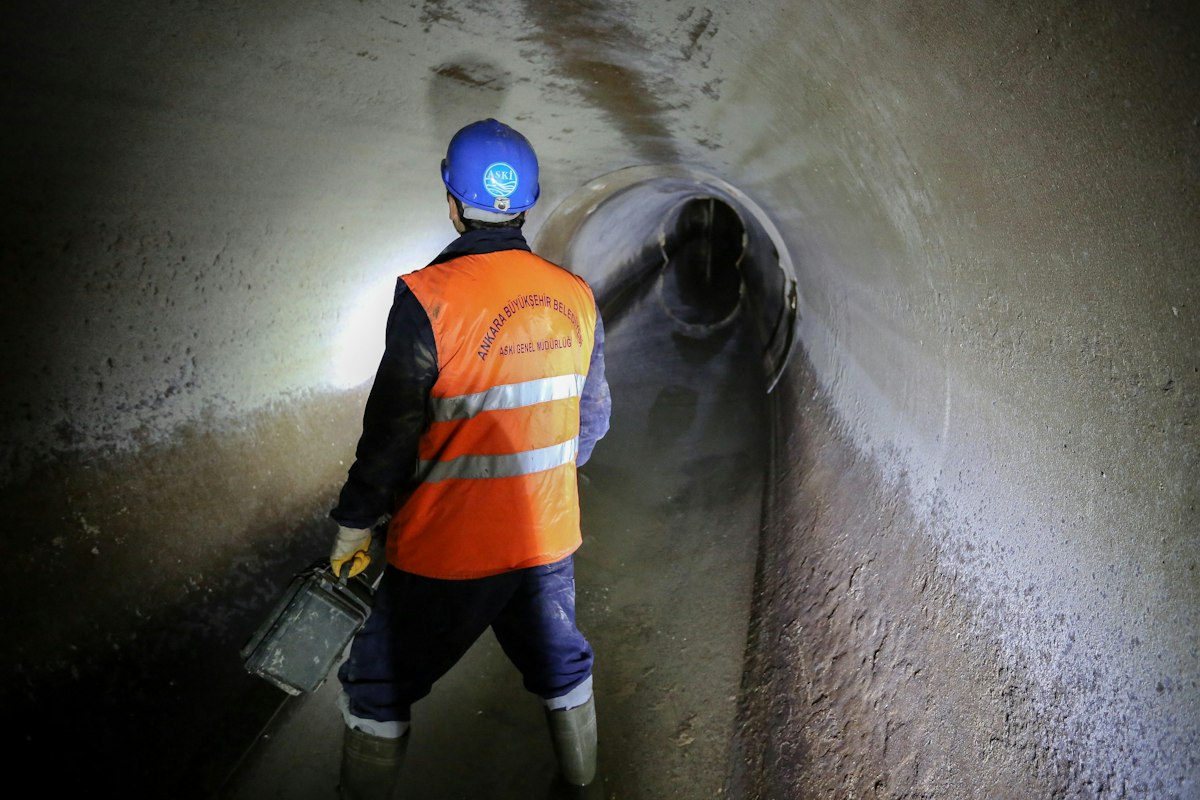
Main sewer line cleaning is the removal of roots, grease, solids and debris from the large pipe that carries all of a home's wastewater to the city sewer or a septic tank. This pipe, often called the main line or the sewer lateral, is usually 4 inches across on a single-family home. Every toilet, sink, tub, washer and floor drain empties into it, so when it slows down, the whole house feels it.
A plumber cleans the main line from a cleanout, a capped access fitting that opens directly into the line. A heavy-duty cable machine with root-cutting heads is run the length of the pipe, and the line is then checked with a video camera. Where buildup is heavy, the line is scoured with high-pressure water.
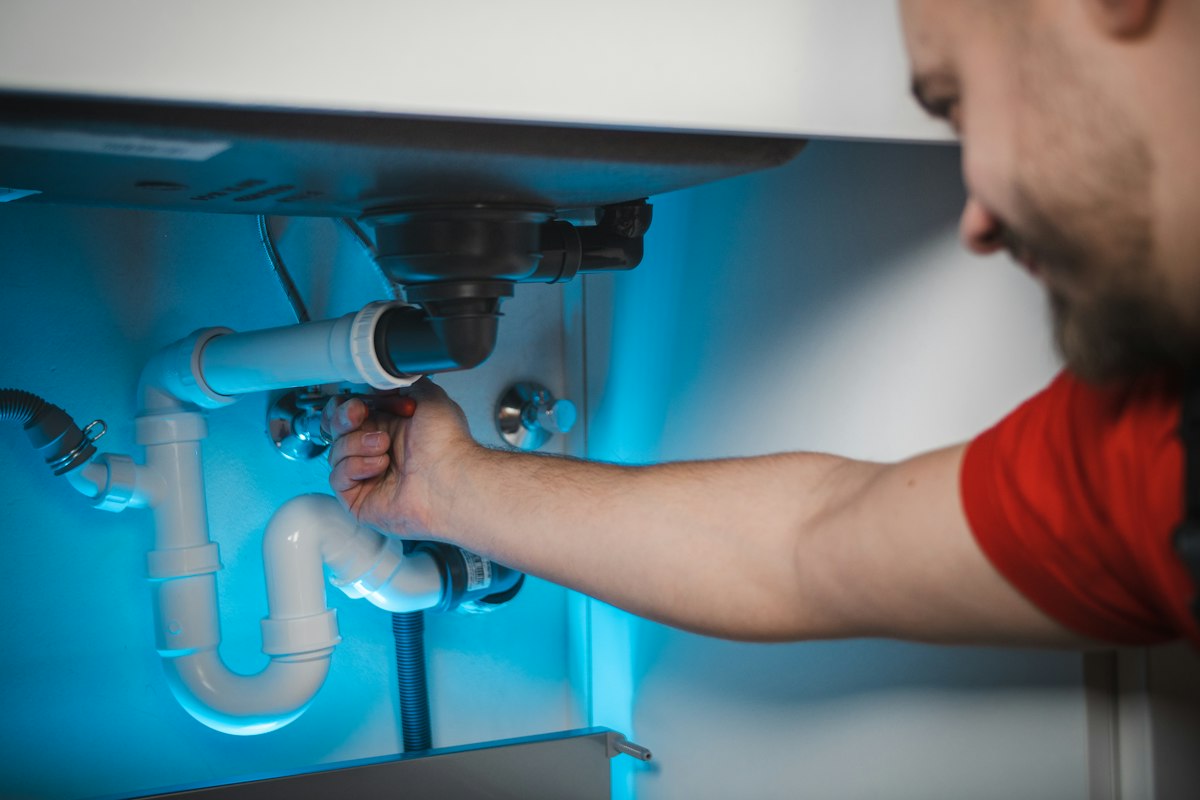
Main-line cleaning is different from cleaning one fixture's drain. A fixture drain is a small branch pipe, and its clogs are usually hair, soap or food. The main line collects everything, and its most common enemies are tree roots and the waste that catches on them. For single-fixture problems, see drain cleaning.
Signs Your Main Sewer Line Needs Cleaning
The main line gives clear warnings before a full backup. The seven signs below point to the main line rather than a single fixture.
- Several drains are slow at once: sinks, tubs and toilets all drain slowly at the same time.
- The lowest drain backs up first: a basement floor drain or ground-floor shower fills with water when other fixtures run.
- Toilets gurgle or bubble: a toilet bubbles when the washer drains or a tub empties.
- Water rises in the tub when you flush: waste water is taking the easiest path out, which is back up.
- Sewer odors indoors or outdoors: a sewage smell around floor drains or in the yard near the line.
- Wet, lush patches in the yard: a leaking line feeds the grass above it.
- Repeat clogs in different fixtures: clogs move from fixture to fixture because the real blockage is downstream.
A full sewage backup into the home is an emergency. Stop using water and call our 24-hour emergency plumbing line.
What Causes Main Sewer Line Blockages?
Main sewer lines block for a small number of reasons. The table below lists them with how a plumber recognizes each one.
| Cause | How it happens | What the camera shows |
|---|---|---|
| Tree roots | Roots sense moisture and grow into joints and cracks | Hair-like or dense root masses at joints |
| Grease | Fats from kitchen drains cool and coat the pipe | A thick, uneven coating that narrows the pipe |
| Wipes and paper products | Non-dissolving products catch on roots and joints | Matted, fibrous blockages |
| Pipe sags (bellies) | Soil settles and a section of pipe dips | Standing water and settled solids in one section |
| Offset or broken joints | Ground movement shifts pipe sections | A lip or gap where waste catches |
| Collapsed pipe | Old clay, cast iron or fiber pipe fails | Pipe wall missing, soil inside the line |
| Scale | Minerals and waste harden on the wall | A rough, narrowed bore |
Homes built before the 1980s often have clay or cast-iron sewer lines. These materials last for decades, but clay joints admit roots and cast iron corrodes from the inside. Some homes built mid-century have fiber (Orangeburg) pipe, which deforms and collapses with age.
How a Plumber Cleans a Main Sewer Line
Main sewer line cleaning follows six steps. The order below reflects how a plumber works on a typical home.
- 1
Find the cleanout: the plumber locates the main cleanout, usually outside near the foundation, in a basement or in a crawl space.
- 2
Relieve the backup: if sewage is backed up, the cleanout cap is opened carefully to let the water drain to the sewer.
- 3
Run the cable machine: a heavy cable with a cutting head is fed through the full length of the line, cutting roots and breaking up blockages.
- 4
Switch heads as needed: the plumber steps up from a smaller head to one close to the pipe's full diameter to clear the wall.
- 5
Camera inspection: a video camera is pushed through the line to confirm it is clear and to record its condition and any defects.
- 6
Recommend next steps: if the camera shows heavy buildup, the plumber may recommend hydro jetting; if it shows damage, the options are sewer line repair or trenchless sewer repair.
The camera footage is valuable. It shows the depth and location of defects, which is what a plumber needs to price a repair accurately, and it gives you a record of the line's condition.
Do I Have a Sewer Cleanout?
Most homes have at least one sewer cleanout. A cleanout is a short pipe with a threaded cap, usually 3 or 4 inches across. Common places are listed below.
- Outside near the foundation: a capped pipe sticking a few inches out of the ground on the side of the house where the sewer exits.
- In the basement: a capped fitting on the main stack or the line where it leaves the house.
- In a crawl space or garage: on older homes, under the house near the main stack.
- At the property line: some cities require a two-way cleanout near the street.
If your home has no accessible cleanout, the plumber may have to go through a toilet flange or roof vent, which takes longer. Installing an exterior cleanout makes every future cleaning faster and cheaper, and many plumbers recommend it during a first visit.
Cable Cleaning vs. Hydro Jetting for Sewer Lines
Both methods clean a main sewer line, but they suit different situations.
| Cable machine (rodding) | Hydro jetting | |
|---|---|---|
| How it works | A spinning cable with cutting heads | Water at high pressure from a specialized nozzle |
| Best for | Opening a blocked line, cutting roots | Grease, scale, fine roots and full-wall cleaning |
| Pipe surface after | A path through the blockage | The pipe wall scoured close to bare |
| How long results last | Months, when roots are active | Usually much longer than rodding |
| Camera check first | Recommended | Strongly recommended on old pipe |
Many plumbers rod first to open a blocked line, then jet the line to clean it fully. Jetting also prepares a line for trenchless lining.
What Affects the Cost of Sewer Line Cleaning?
Sewer line cleaning is priced by the job after the plumber sees the access and the problem. The factors below explain why one home's price differs from another's.
| Factor | Why it matters |
|---|---|
| Cleanout access | An accessible exterior cleanout saves time; no cleanout means a longer job |
| Length of the line | A long run to the street takes more cable and time |
| Root severity | Dense roots need more passes and larger cutting heads |
| Method | Hydro jetting needs more equipment and time than cable cleaning |
| Camera inspection | Adds cost, but confirms the result and finds defects |
| Backup cleanup | Sewage inside the home needs cleanup and sanitizing |
| Timing | Emergency visits outside normal hours may cost more |
How Long Does Sewer Line Cleaning Take?
A routine main sewer line cleaning through an accessible cleanout takes one to two hours. Heavy roots, a long line or no cleanout can push the job to three hours or more. Adding a camera inspection takes about 30 to 60 minutes, and hydro jetting usually takes two to four hours.
How Often Should a Sewer Line Be Cleaned?
Most homes do not need routine sewer cleaning until a problem appears. Homes with known root intrusion should have the main line cleaned every 12 to 24 months to stay ahead of regrowth, because cutting roots does not kill the tree and the roots return to the same joints. Homes with frequent grease problems, such as those with large households or heavy cooking, also benefit from scheduled cleaning. A camera inspection after each cleaning shows whether the interval is right.
Protecting Your Sewer Line
The habits below keep a main line flowing between cleanings.
- Flush only toilet paper: wipes, paper towels and hygiene products are the main thing roots catch.
- Keep grease out of drains: collect cooking grease and throw it away.
- Know where the line runs: avoid planting trees and large shrubs over the sewer line.
- Install a backwater valve where allowed: it stops city sewer surges entering the home, and a working sump pump service plan keeps groundwater out of the basement.
- Inspect before you buy: a sewer camera inspection is a small cost compared with a line replacement, and it is part of a full plumbing inspection.
City Sewer vs. Septic System
Main line cleaning works a little differently depending on where the wastewater goes. The table below compares the two systems.
| City sewer connection | Septic system | |
|---|---|---|
| Where the main line ends | At the city main, usually under the street | At the septic tank in the yard |
| Typical length | From the house to the street or alley | From the house to the tank, often shorter |
| Common blockages | Roots, grease, wipes, sags | Roots, solids, and a full tank backing up the line |
| Who maintains it | Homeowner, up to the city connection in most areas | Homeowner, including tank pumping |
| Extra checks | City-side blockages are reported to the utility | A full tank must be pumped by a septic service |
On a septic system, a backup can come from the tank rather than the pipe. If the tank is full, cleaning the line only helps for a short time. A plumber can tell the difference by checking the line and the tank inlet.
What Happens After a Sewage Backup
A sewage backup leaves contaminated water that needs careful cleanup. The steps below are the usual order.
- 1
Clear the line: the main line is opened so water can drain again.
- 2
Remove standing water: wet-vacuum or pump out water from the affected area.
- 3
Remove soaked materials: carpet, padding and porous items that soaked up sewage usually cannot be saved.
- 4
Clean and disinfect: hard surfaces are cleaned with detergent and disinfected.
- 5
Dry the area: fans and dehumidifiers dry the space to prevent mold.
- 6
Document for insurance: photos, the plumber's report and camera footage support a claim.
Large backups are usually handled by a water damage restoration company working alongside the plumber.
Questions to Ask Before a Sewer Cleaning
The four questions below help you get the right service.
- 1
Will you run a camera after cleaning? A camera check confirms the result and shows the line's condition.
- 2
What did you find? Ask whether the blockage was roots, grease, wipes or damage.
- 3
How soon should the line be cleaned again? The answer depends on what the camera shows.
- 4
Do I need a cleanout installed? An accessible cleanout makes every future visit faster.
Sewer Line Cleaning FAQs
Who is responsible for the sewer line?
In most areas the homeowner is responsible for the sewer lateral from the house to the connection with the city main, sometimes including the part under the street. Local rules vary, so check with your city or utility.
Can tree roots be removed permanently?
Cutting roots clears the line, but roots regrow from the same tree. Permanent solutions are repairing the joints the roots enter through, relining the pipe, or replacing the affected section.
Is it safe to use water during a sewer backup?
No. Every gallon used during a backup has nowhere to go but back into the house. Stop using water until the main line has been cleared.
Can a sewer line be cleaned without digging?
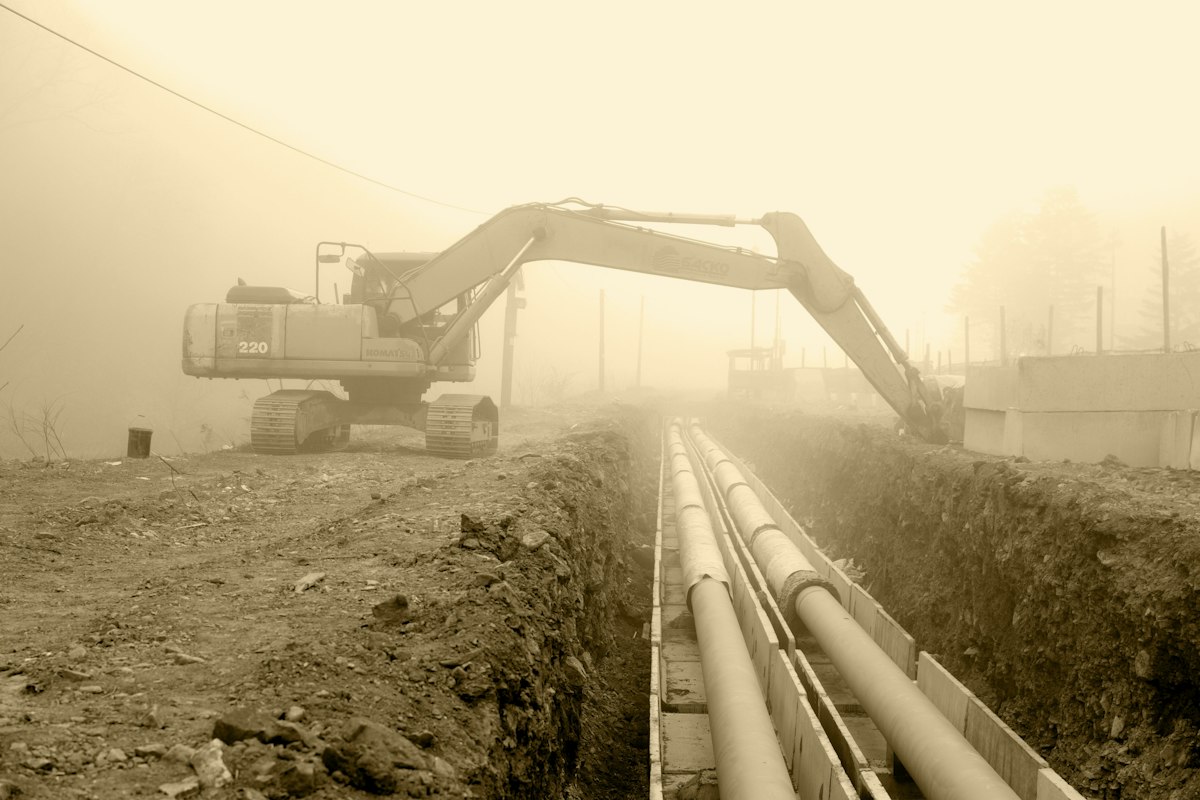
Yes. Sewer line cleaning is done entirely from a cleanout or another access point. Digging is only needed when the pipe is broken and must be repaired, and even then trenchless methods often avoid most excavation.
Does homeowners insurance cover sewer backups?
Standard policies often exclude sewer backup damage unless you add a sewer backup endorsement. Check your policy, and keep the plumber's report and camera footage for any claim.
Related Plumbing Services
Main sewer line cleaning connects to several other services. If a single fixture is slow, start with drain cleaning. If the camera shows grease or scale, ask about hydro jetting. Broken or root-damaged pipe needs sewer line repair, and trenchless sewer repair can replace or reline it without trenching your yard.