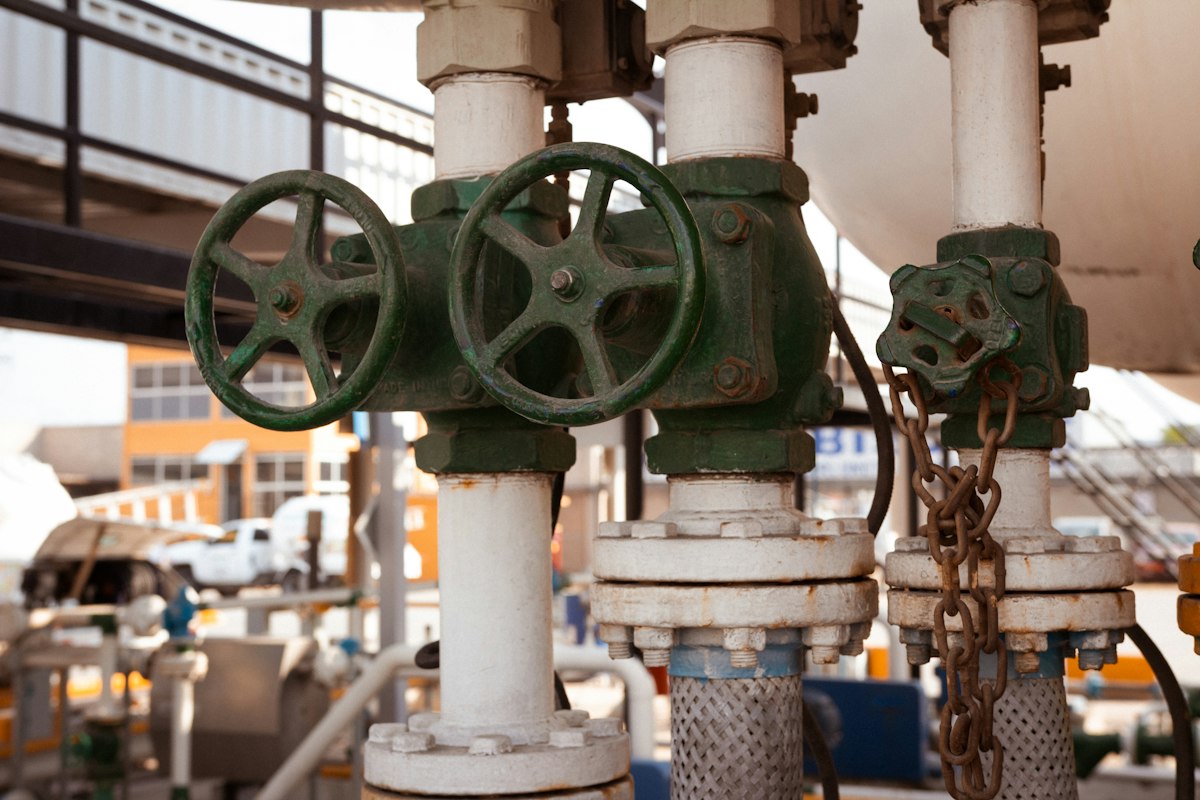
What Is Shut-Off Valve Replacement?
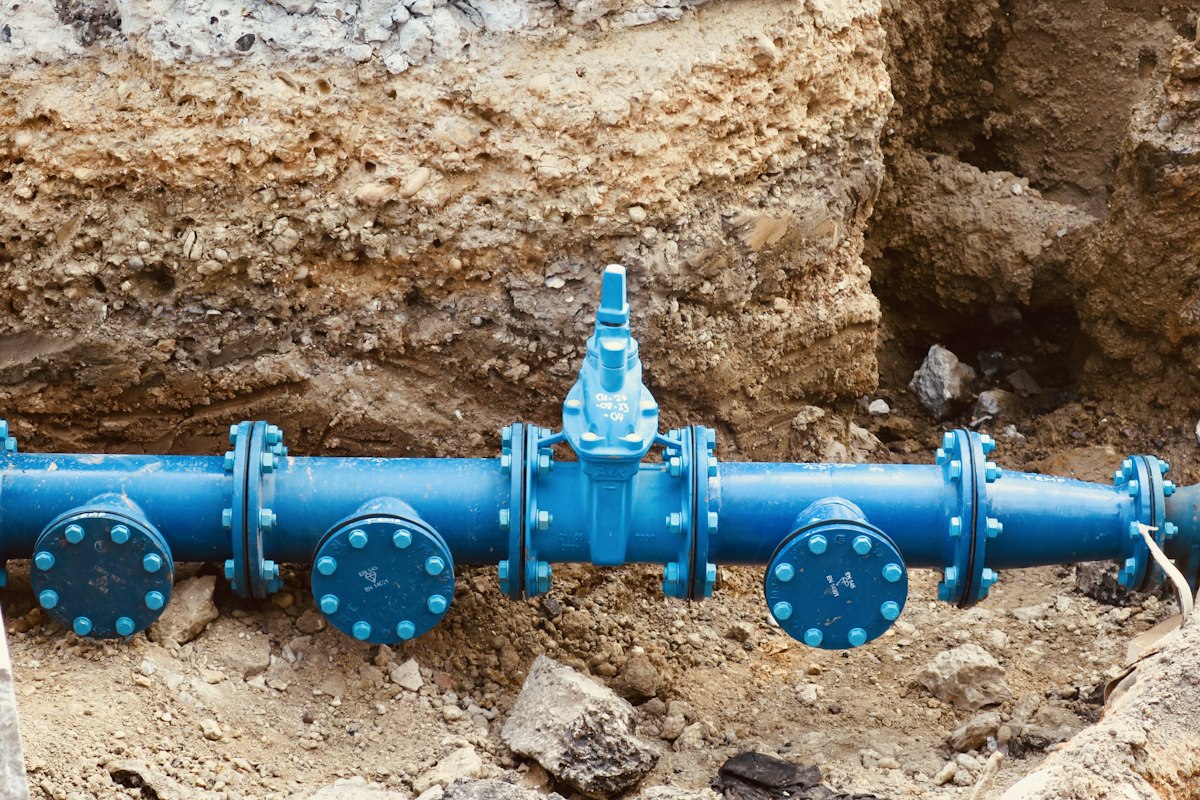
Shut-off valve replacement is the removal of a worn, leaking or seized water valve and the installation of a new one, so that water to the house or to a single fixture can be turned off reliably. A shut-off valve is a fitting in a water line that stops the flow when closed. Every home has a main shut-off valve that controls all the water entering the house, and most fixtures, such as sinks, toilets, washing machines and water heaters, have their own smaller valves.
Valves are easy to forget until the day they are needed. In a burst pipe or a leaking water heater, a working main valve is the difference between a small cleanup and a flooded home. Older valves often fail at that moment: they seize, break off, or close only partway. Replacing them before an emergency is one of the simplest ways to protect a home.
Plumbers also install and replace other valves on the water system, including pressure-reducing valves that control house pressure, check valves that stop backflow, and backflow preventers required on irrigation and some other connections.
Signs a Valve Needs Replacing
The signs below show that a valve should be replaced.
- Will not turn: the handle is stuck from mineral buildup or corrosion.
- Does not fully stop the water: water keeps trickling with the valve closed.
- Leaks at the stem or body: drips from under the handle or around the valve.
- Corrosion: green or white crust on brass and copper valves.
- Old multi-turn gate valve: round-handle valves that need many turns to close are prone to failure.
- Handle broken or missing: the valve cannot be operated in an emergency.
- Hissing or noise: a partly closed or failing valve can whistle or hum.
Types of Water Valves
Homes use several types of valve. The table below explains each and where it is used.
| Valve type | How it works | Where it is used | Notes |
|---|---|---|---|
| Ball valve | A ball with a hole turns a quarter-turn to open or close | Main shut-off, water heater, branch lines | Reliable and quick to close; the modern standard |
| Gate valve | A gate lowers into the flow with many turns | Older main shut-offs | Prone to seizing and partial closing |
| Globe valve | A disc presses onto a seat | Some older shut-offs and hose bibs | Can restrict flow |
| Angle stop | A small valve at a 90-degree angle | Under sinks and behind toilets | Multi-turn or quarter-turn versions |
| Straight stop | Like an angle stop, but in line | Where the supply comes from the floor | Same function as an angle stop |
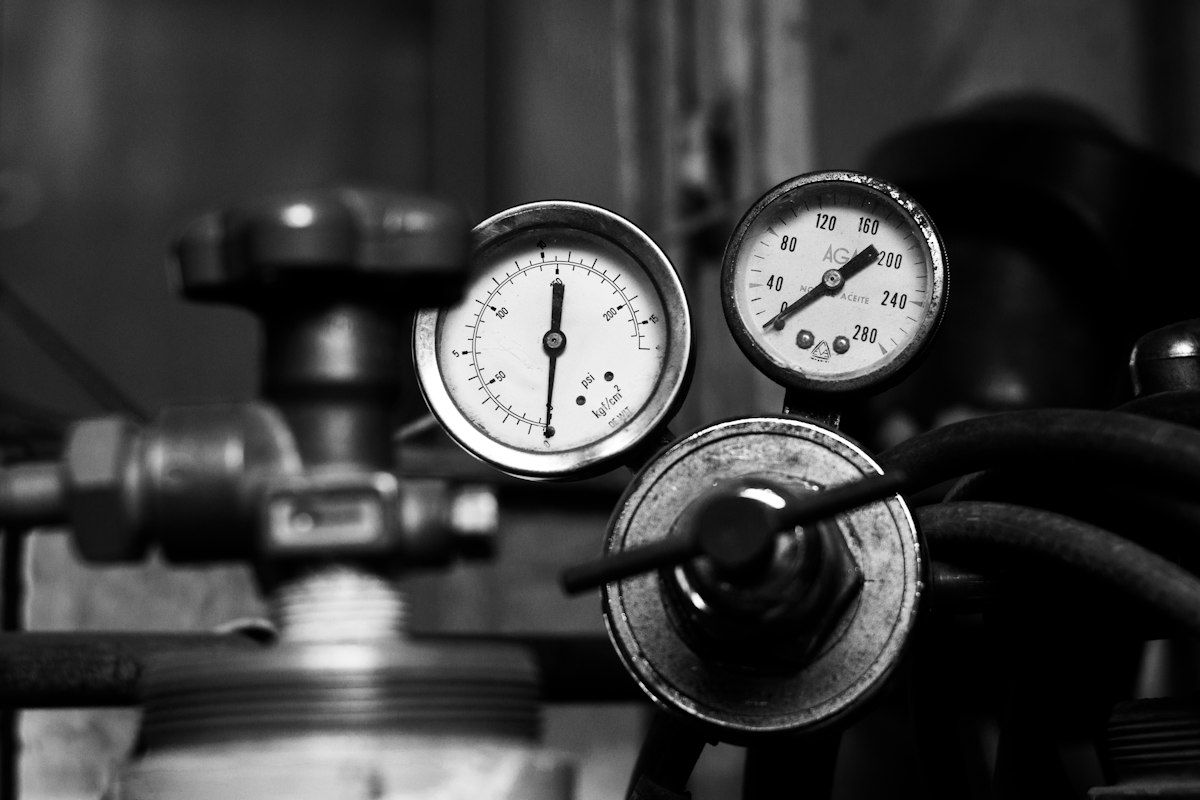
| Pressure-reducing valve (PRV) | Lowers incoming pressure | On the main line | Protects the home from high pressure |
| Check valve | Allows flow in one direction only | Well systems, sump discharge, some supply lines | Prevents backflow |
| Backflow preventer | Stops contaminated water flowing back into the supply | Irrigation, boilers, some commercial uses | Often requires annual testing |
Quarter-turn ball valves are the usual replacement for old gate valves at the main shut-off, because they close fully and quickly and are less likely to seize.
Where Is Your Main Shut-Off Valve?
Knowing where the main valve is matters in any plumbing emergency. Common locations are listed below.
- Basement: on the wall where the water line enters, often near the front of the house.
- Crawl space: near where the line comes through the foundation.
- Garage or utility room: in warmer climates, often near the water heater.
- Outside the house: on an exterior wall or in a box near the foundation in some regions.
- Near the water meter: a curb stop at the meter box, usually operated by the utility with a special key.
Find your main valve before you need it, test that it turns, and make sure everyone in the household knows where it is.
How a Plumber Replaces a Shut-Off Valve
Valve replacement follows six steps.
- 1
Shut off water upstream: for a main valve, the plumber closes the curb stop at the meter; for a fixture valve, the main valve is closed.
- 2
Drain the line: faucets are opened to drain water and relieve pressure.
- 3
Remove the old valve: it is cut out, unthreaded or unsoldered.
- 4
Prepare the pipe: pipe ends are cleaned and squared for a sound connection.
- 5
Install the new valve: connected by soldering, threading, compression or push-fit as suits the pipe.
- 6
Restore water and test: the line is refilled, air is bled out, and the valve is checked for leaks and full shut-off.
Fixture Shut-Off Valves
Every sink, toilet and appliance should have its own shut-off valve so a repair does not require turning off water to the whole house. Under-sink and toilet valves, called angle stops, are often old multi-turn valves that seize after years without use. Replacing them with quarter-turn valves and new braided supply lines is a common, inexpensive upgrade, and it is usually done during faucet and sink repair or toilet repair.
Washing machines use a pair of valves, or a single-lever valve that closes hot and cold together. Water heaters have a cold-water shut-off on the inlet. Both are worth testing yearly.
Pressure-Reducing and Backflow Valves
Two specialized valves protect the home and the public water supply.
A pressure-reducing valve lowers high street pressure to a safe level for the home's plumbing. When it fails, pressure can rise and cause leaks and water hammer. PRV testing and replacement is covered on our water pressure repair page.
A backflow preventer stops water from an irrigation system, boiler or other connection from flowing back into the drinking water supply. Many local water authorities require backflow preventers on irrigation systems and require them to be tested regularly by a certified tester.
What Affects the Cost of Valve Replacement?
| Factor | Effect on cost |
|---|---|
| Valve type | Main valves and PRVs cost more than fixture stops |
| Pipe material and size | Affects fittings and labor |
| Access | Valves in crawl spaces or behind walls take longer |
| Curb stop operation | Some main valve jobs need the utility to shut off the water |
| Number of valves | Replacing several at once is more efficient |
| Condition of nearby pipe | Corroded pipe may need a section replaced too |
How Long Does Valve Replacement Take?
A fixture shut-off valve usually takes 30 minutes to an hour. A main shut-off valve usually takes one to two hours, longer if the utility must shut off the curb stop or if nearby pipe is corroded. A PRV replacement usually takes one to two hours.
Valve Maintenance
The steps below keep valves working when you need them.
- Exercise valves yearly: close and reopen each valve once a year so it does not seize.
- Look for leaks: check valve stems and bodies for drips and crust.
- Label the main valve: a tag helps anyone find it quickly.
- Replace old gate valves: swap them for ball valves before they fail.
- Test backflow preventers: follow your local testing schedule.
What to Do if Your Main Valve Will Not Turn
If the main valve will not turn in an emergency, do not force it with a long lever, which can snap the stem or break the pipe. Instead, shut off the water at the curb stop in the meter box if you can safely do so, or call the water utility. Then call a plumber to replace the valve. A seized main valve is a good reason to call our 24-hour emergency plumbing line when water is actively leaking.
Valves on the Water Heater, Washer and Outdoor Faucets
Several valves outside the kitchen and bathroom are easy to overlook but important in an emergency.
The water heater shut-off sits on the cold-water inlet at the top of the tank. Closing it stops water entering the heater, which is the first step if the tank leaks. Gas heaters also have a gas shut-off on the supply line, covered on our gas line repair page.
The washing machine valves feed the hot and cold hoses. Rubber hoses can burst under pressure, so these valves should be easy to reach and should be closed when you leave home for an extended time.
Outdoor faucets, or hose bibs, often have an interior shut-off valve in a basement or crawl space. Closing it and draining the outdoor faucet before winter prevents freeze damage, as explained on our frozen pipe repair page. Frost-free sillcocks shut the water off inside the warm part of the wall.
Automatic Leak Shut-Off Valves
An automatic shut-off valve is a motorized valve on the main line that closes when leak sensors detect water, or when the system notices unusual flow, such as water running continuously for hours. Some models connect to a phone app and send alerts. Automatic valves are especially useful in vacation homes, homes with finished basements, and homes where the family travels often. A plumber installs the valve on the main line and places sensors near the water heater, washing machine, dishwasher and sinks.
Curb Stops and the Water Meter Valve
The curb stop is the valve in the meter box near the street that controls water to the whole property. It usually belongs to the water utility and is operated with a long meter key. Some meters also have a valve on the house side that the homeowner may use. If your main shut-off fails, the curb stop is the backup, but in many areas only the utility should operate it. Ask your utility what is allowed.
Signs a Valve Was Installed Poorly
A new valve should close fully, open fully and stay dry. Warning signs of a poor installation include a slow drip at the joints, a handle that hits a wall or cabinet before closing, a valve placed where nobody can reach it, or a valve installed backward, which matters for check valves and pressure regulators that only work in one direction. Ask your plumber to show you the new valve working before they leave.
Questions to Ask Your Plumber
- 1
What type of valve will you install? A quarter-turn ball valve is the usual choice.
- 2
Should other valves be replaced at the same time? Older valves often fail together.
- 3
Does my home need a PRV or expansion tank? Ask for a pressure reading.
- 4
Will the utility need to shut off water at the meter? Plan for the timing.
- 5
Do I need a backflow test? Required in many areas for irrigation.
Shut-Off Valve FAQs
How do I shut off the water to my house?
Turn the main shut-off valve clockwise until it stops, or turn a ball valve handle a quarter-turn so it sits across the pipe. Then open a faucet to confirm the water is off.
Why does my shut-off valve leak when I turn it?
Older valves have packing around the stem that dries out. Turning the valve disturbs it and causes a drip. Tightening the packing nut may help, but replacing the valve is the lasting fix.
How often should shut-off valves be replaced?
There is no fixed schedule. Replace valves that will not turn, do not fully close, leak, or are old gate valves that may fail in an emergency.
Can I replace a shut-off valve myself?
Fixture valves with compression or push-fit connections are within reach for experienced DIYers. Main valves often need the utility curb stop closed and soldering or threading skills, so a plumber is the safer choice.
What is the difference between a gate valve and a ball valve?
A gate valve closes slowly with many turns and can seize or close only partly. A ball valve closes with a quarter-turn and seals more reliably, which is why it is preferred for main shut-offs.
Related Plumbing Services
Valves connect to many parts of the system. Pressure regulators are covered under water pressure repair, and the service line that feeds the main valve under main water line repair. Fixture valves are replaced during faucet and sink repair, and new valves are fitted at every fixture during whole-house repiping.