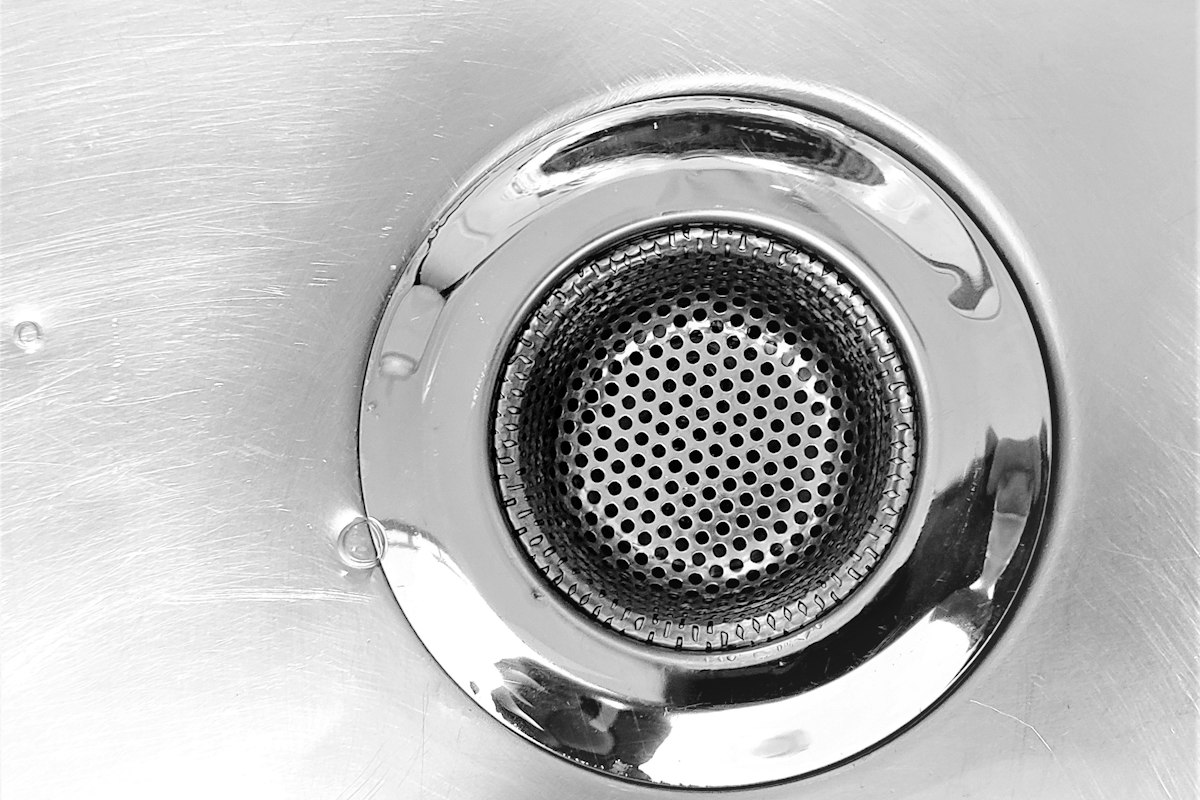
What Is Professional Drain Cleaning?
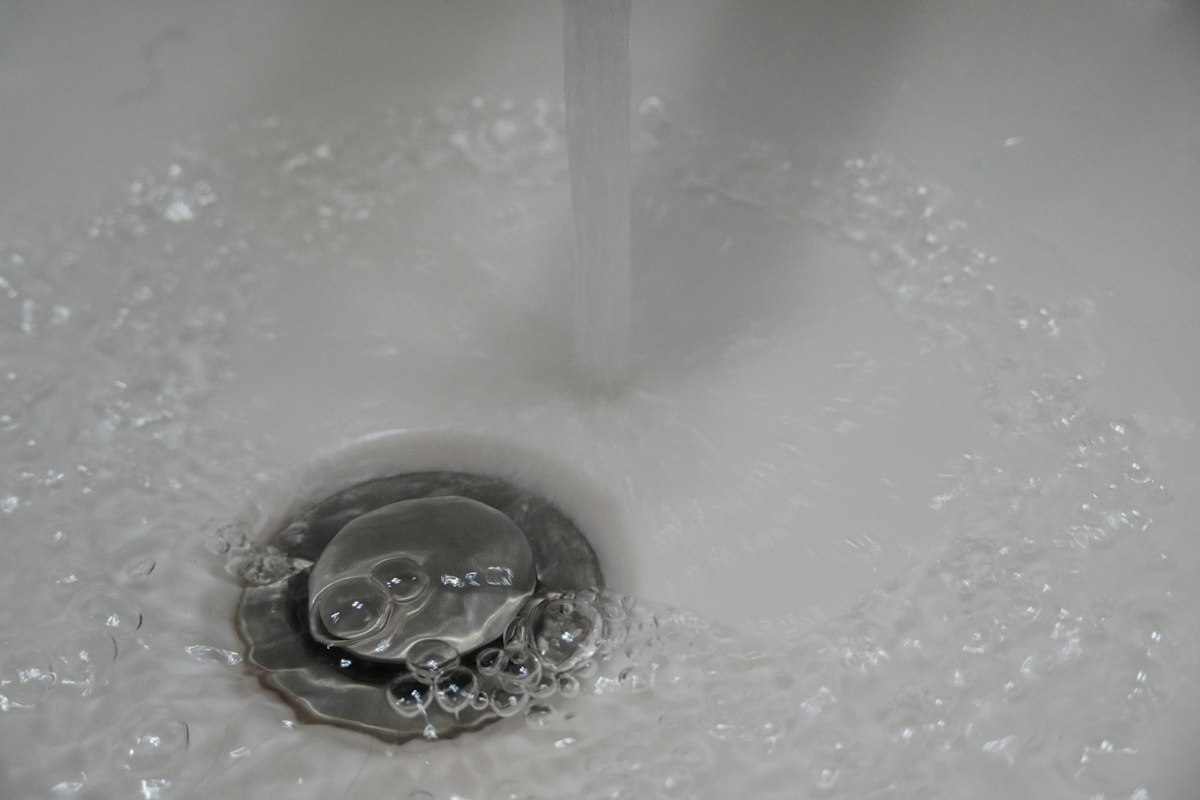
Professional drain cleaning is the mechanical removal of buildup from the inside of a drain pipe, so water flows through the full width of the pipe again. A plumber uses a drain auger, a cable machine or a high-pressure water jet to cut, scrape or flush away grease, hair, soap scum, food waste, mineral scale and tree roots. The goal is not just to open a hole through a clog. The goal is to restore the pipe to its original diameter, so the next clog does not form a week later.
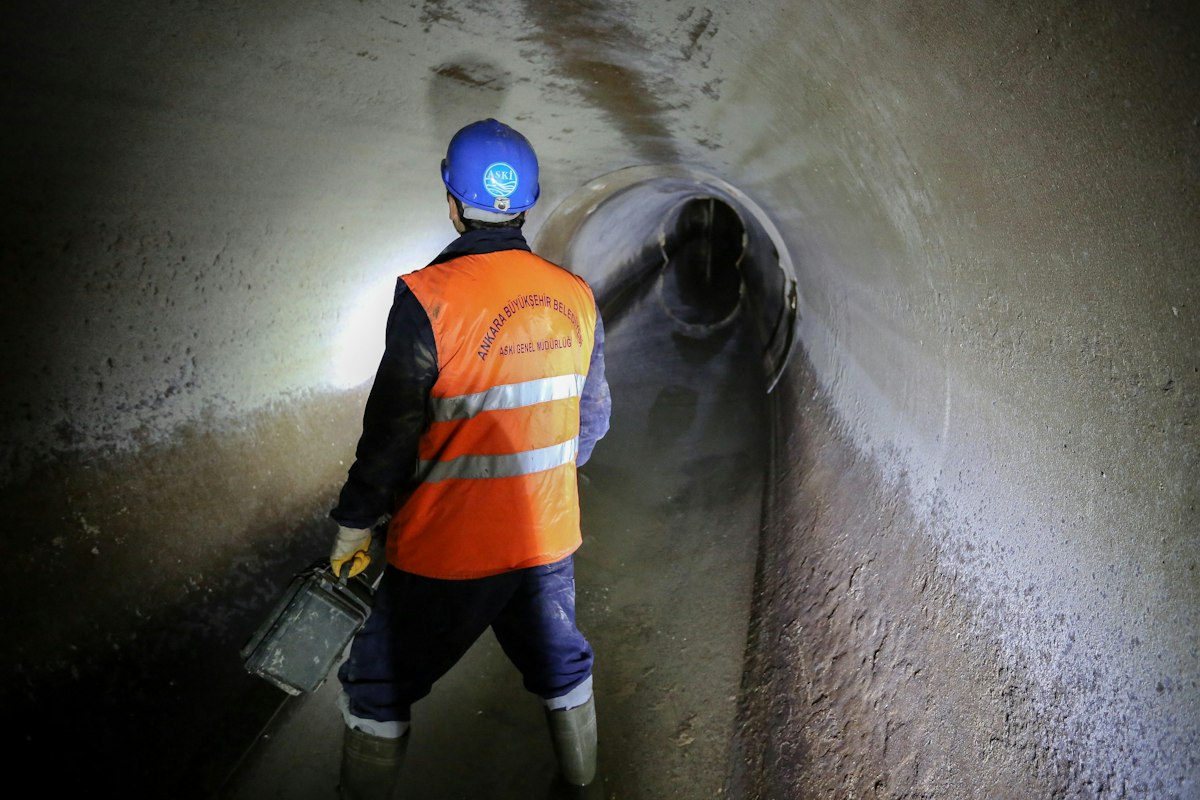
Drain cleaning covers every drain in a home: kitchen sinks, bathroom sinks, tubs, showers, laundry standpipes, floor drains and the main sewer line that carries everything out to the city sewer or septic tank. A single slow fixture usually means a local blockage in that fixture's branch line. Several slow fixtures at once usually point to the main line, which is covered in detail on our main sewer line cleaning page.
Drain cleaning is preventive as well as corrective. A drain that is cleaned before it fully blocks costs less to clear, carries less risk of a sewage backup and gives a plumber the chance to spot damage early.
Signs Your Drains Need Cleaning
The seven most common signs that a drain needs professional cleaning are listed below. One sign on its own can be minor. Two or more together usually mean buildup is well advanced.
- Slow drainage: water stands in a sink, tub or shower for several minutes after use.
- Gurgling sounds: air bubbles through a drain or toilet when another fixture is used, because water is pushing past a partial blockage.
- Bad odors: a sewer or rotten-egg smell rises from a drain as organic waste decays inside the pipe.
- Recurring clogs: a drain clogs again within days or weeks of being plunged or treated.
- Multiple slow fixtures: two or more fixtures slow down at the same time, which points to the main line.
- Water backing up: water rises in a tub or floor drain when a washing machine or dishwasher empties.
- Drain flies: small moth-like flies breed in the film that lines a dirty drain.
A fully blocked fixture that will not drain at all is a different job. Our clogged drain repair page covers what to do when water will not go down.
What Causes Drains to Build Up?
Drains build up because everyday waste sticks to the pipe wall a little at a time. Each type of drain collects its own kind of waste, and knowing the cause helps a plumber choose the right cleaning method.
| Drain | Main cause of buildup | What it looks like inside the pipe |
|---|---|---|
| Kitchen sink | Cooking grease, oils, starches and food scraps | A soft, sticky layer that hardens as it cools |
| Bathroom sink | Toothpaste, soap, hair and shaving debris | A grey film with hair woven through it |
| Shower and tub | Hair bound with soap scum and body oils | Dense hair mats near the drain opening and trap |
| Laundry drain | Lint, fabric fibers and detergent residue | Fibrous layers that narrow the standpipe |
| Floor drain | Dirt, sediment and debris washed in from floors | Silt that settles in the trap |
| Main sewer line | Tree roots, wipes, grease and pipe sags | Root masses at joints and solid waste at low spots |
Hard water adds a further layer. Calcium and magnesium deposit on the pipe wall as mineral scale, which roughens the surface so grease and hair catch more easily. Homes with very hard water often benefit from water softener installation.
Older pipes also play a part. Cast-iron drain pipes corrode from the inside and form rough tubercles, and clay sewer pipes have joints every few feet where roots can enter.
How a Plumber Cleans a Drain
A professional drain cleaning follows the same five steps, whichever drain is involved. The steps are listed in the order a plumber performs them.
- 1
Diagnose the problem: the plumber runs water at each fixture to find out whether one branch or the main line is affected, and asks when the problem started.
- 2
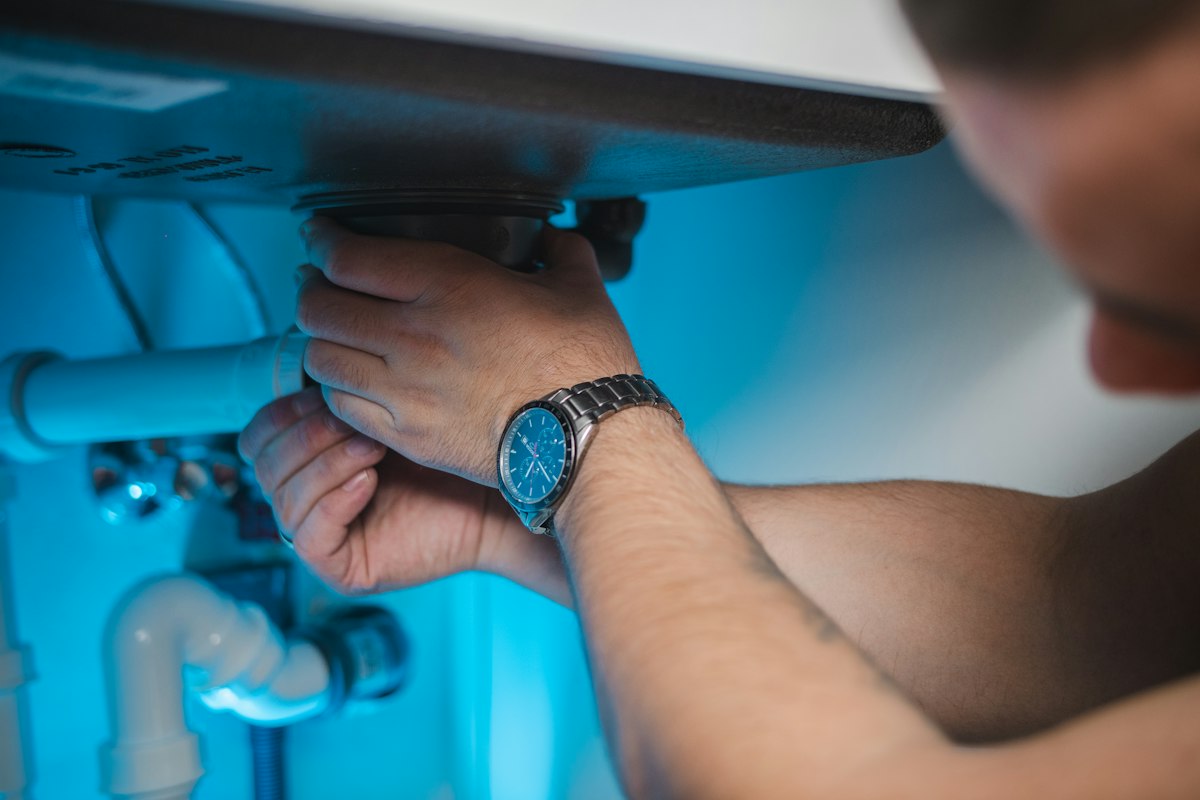
Choose the access point: the plumber removes the trap, opens a cleanout or goes through the fixture drain, choosing the opening closest to the blockage.
- 3
Clear the blockage: a drain auger or cable machine with a cutting head breaks up and pulls out the clog; heavy grease or roots may need a water jet.
- 4
Inspect the line: when clogs keep coming back, a camera is run through the pipe to look for cracks, sags, root entry or a collapsed section.
- 5
Flow-test and clean up: the plumber runs water at full flow through every affected fixture, checks for leaks at the trap and cleans the work area.
A video inspection is the step that separates a quick unclog from a real diagnosis. It shows exactly what is in the pipe and records the condition of the line, and it is the basis of a full plumbing inspection.
Drain Cleaning Methods Compared
Plumbers use four main methods to clean drains. Each method suits a different blockage and a different pipe.
| Method | How it works | Best for | Limits |
|---|---|---|---|
| Plunger | Pressure pushes the clog loose | Fresh, soft clogs near the drain opening | Does not remove buildup from the pipe wall |
| Hand auger (drain snake) | A coiled cable is cranked into the pipe to hook or break up the clog | Sink, tub and shower clogs within about 25 feet | Opens a path but leaves much of the buildup |
| Motorized cable machine | A powered cable with cutting heads spins through the line | Main lines, long runs, roots and stubborn clogs | Can scratch fragile pipe if misused |
| Hydro jetting | Water at high pressure scours the full pipe wall | Grease, scale, roots and recurring clogs | Needs a camera check first on old or damaged pipe |
Snaking is the fastest way to restore flow. hydro jetting is the most thorough, because it cleans the entire inside surface of the pipe rather than boring a hole through the middle. Many plumbers snake first to restore flow, then recommend jetting when the camera shows heavy buildup.
Why Chemical Drain Cleaners Are Not the Answer
Chemical drain cleaners are caustic or acidic liquids that dissolve some organic clogs by heat and reaction. They often fail on the clogs that matter most, and they carry real risks.
- They rarely clear the whole blockage: the chemical burns a channel through the middle and leaves the rest of the buildup on the pipe wall.
- They can damage pipes: repeated use softens old PVC joints, attacks rubber seals and speeds corrosion in older metal pipes.
- They are a safety hazard: the liquid can splash back from a sink, and it stays in the pipe if the clog does not clear.
- They endanger the next person: a plumber who opens a trap full of drain chemical risks burns to the skin and eyes.
Enzyme-based cleaners are gentler and can help with routine maintenance, but they work slowly and do not clear an established clog. Tell the plumber if any chemical has been poured into the drain before they start work.
What Affects the Cost of Drain Cleaning?
The price of drain cleaning depends on where the blockage is, what caused it and how much work it takes to reach and clear it. Your plumber gives you the price before any work begins, so you can decide how to proceed.
| Factor | Why it changes the price |
|---|---|
| Location of the blockage | A clog in a sink trap is quicker to reach than one deep in the main line |
| Access | An outdoor cleanout is faster than pulling a toilet or working through a roof vent |
| Cause | Roots and hardened grease take longer than hair or soap scum |
| Equipment | A hand auger costs less to use than a cable machine or a hydro jetter |
| Camera inspection | Adds time, but shows whether a repair is needed |
| Timing | Night, weekend and holiday visits can carry after-hours rates with some providers |
| Pipe condition | Damaged or collapsed pipe needs repair, not just cleaning |
The cheapest visit is the one that solves the problem the first time. A plumber who only snakes a recurring clog may be back within the month, while a camera inspection and the right cleaning method can prevent repeat visits.
How Long Does Drain Cleaning Take?
A single sink, tub or shower drain cleaning usually takes 30 minutes to an hour. A main sewer line cleaning usually takes one to three hours, depending on the length of the line, the access point and whether roots are present. Adding a camera inspection adds roughly 30 to 60 minutes. Hydro jetting a main line can take two to four hours including setup and verification.
DIY Drain Care vs. Calling a Plumber
Simple maintenance is safe to do yourself, but some drain problems need professional tools. The comparison below shows where the line falls.
| Safe to do yourself | Call a plumber |
|---|---|
| Removing hair from a shower or sink stopper | A clog that returns within weeks |
| Plunging a single slow fixture | More than one fixture draining slowly |
| Flushing a drain with hot (not boiling) water | Water backing up into a tub or floor drain |
| Cleaning a sink trap you can reach easily | Sewage odors that do not go away |
| Using a drain strainer | Any sign of sewage inside the home |
Stop and call a plumber if a plunger or hand snake does not work after a few attempts. Forcing a cable can damage a trap or push a clog deeper, and a sewage backup is a health hazard that needs a professional response. Backups at night or on a weekend are handled through our 24-hour emergency plumbing line.
How to Keep Drains Clean Between Visits
Most drain problems can be prevented with a few daily habits. The eight habits below cover the main causes of buildup.
- Keep grease out of the sink: pour cooled grease into a container and put it in the trash.
- Scrape plates into the trash: food scraps belong in the trash or compost, even with a garbage disposal.
- Use strainers: fit hair catchers in showers and tubs, and mesh strainers in kitchen sinks.
- Flush only toilet paper: "flushable" wipes, paper towels and hygiene products do not break down in pipes.
- Run hot water after use: a short flush of hot water helps carry soap and grease through the line.
- Clean stoppers monthly: pull and rinse bathroom sink stoppers to remove hair and film.
- Watch the trees: if large trees grow near the sewer line, plan routine main-line maintenance.
- Schedule cleaning: most homes benefit from a professional drain cleaning every 18 to 24 months.
When Drain Cleaning Is Not Enough
Drain cleaning restores flow through a sound pipe. It cannot fix a pipe that is broken. When a camera inspection shows a cracked, offset, sagging or collapsed section, or tree roots growing through a joint, the pipe itself needs repair. Your plumber will explain the options, from a spot repair to full sewer line replacement or trenchless sewer repair, which replaces or relines the pipe with minimal digging.
Drain Cleaning FAQs
How often should drains be professionally cleaned?
Most homes should have their drains professionally cleaned every 18 to 24 months. Homes with large trees near the sewer line, older cast-iron pipes, heavy kitchen use or a history of clogs benefit from yearly cleaning.
Is drain cleaning messy?
Professional drain cleaning is usually clean. Plumbers lay down drop cloths, use buckets under traps and clean the work area before leaving. Main-line work through an outdoor cleanout keeps most of the job outside the house.
Can drain cleaning damage my pipes?
Drain cleaning done with the right equipment does not damage sound pipes. Problems arise when an oversized cutting head is used on fragile pipe, or when a jetter is used on a line that is already broken, which is why plumbers inspect older lines first.
Do I need a camera inspection?
A camera inspection is worth it when a clog keeps returning, when several fixtures are slow, or when you are buying an older home. It shows the cause of the problem and the condition of the pipe, so you pay for the right fix.
Will a plunger fix a slow drain?
A plunger can clear a fresh, soft clog close to the drain opening. It does not remove the buildup on the pipe wall that causes a drain to slow down over months, so a slow drain usually returns until the pipe is cleaned.
What is the difference between drain cleaning and hydro jetting?
Drain cleaning is the general service of clearing a drain, usually with a cable machine. Hydro jetting is one method of drain cleaning that uses high-pressure water to scour the entire pipe wall, and it lasts longer on grease and scale.
Related Plumbing Services
Drain cleaning is one part of keeping your home's drainage system healthy. If water will not drain at all, start with clogged drain repair. If several drains are slow at once, the main line needs main sewer line cleaning. For heavy grease or scale, ask about hydro jetting, and if a camera shows a damaged pipe, read about sewer line repair and its no-dig alternative, trenchless sewer repair.