What Is Sump Pump Service?
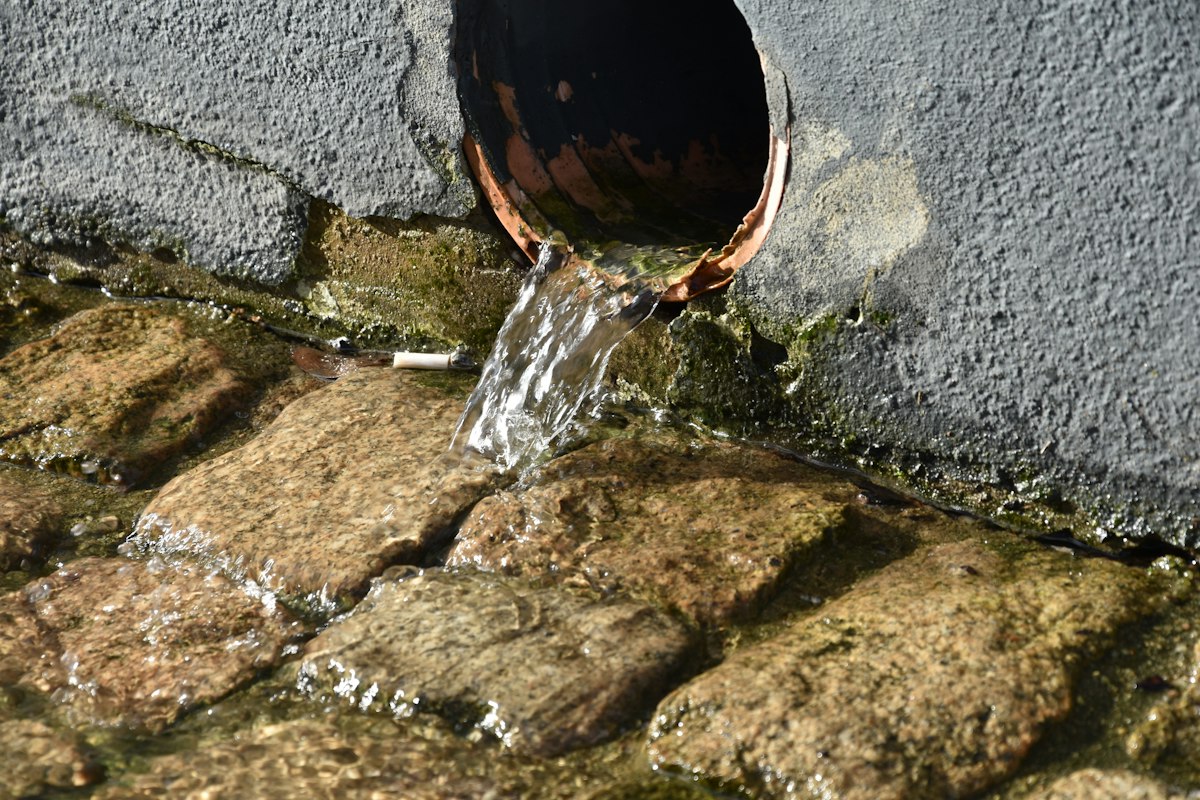
Sump pump service is the repair, replacement, installation and testing of the pump that keeps a basement or crawl space dry by removing groundwater. A sump pump sits in a pit, called a sump basin, dug into the lowest part of the basement floor. Drain tile or perimeter drains around the foundation carry groundwater into the pit. When the water rises to a set level, a float switch turns the pump on, and the pump pushes the water up through a discharge pipe and out of the house, away from the foundation.
A sump pump is the last line of defense against basement flooding during heavy rain, snowmelt or a high water table. It often runs only occasionally, which means a failure can go unnoticed until the day it is needed. Regular testing, a backup system and timely replacement keep it ready.
This page also covers other water pumps found in homes, such as sewage ejector pumps for basement bathrooms, condensate pumps and booster pumps. Pumps that draw water from a private well are covered on our well pump repair page.
Signs Your Sump Pump Needs Service
- Pump runs constantly: a stuck float switch, a failed check valve or a pump too small for the inflow.
- Pump never runs: a failed motor, a tripped circuit or a jammed float.
- Pump cycles on and off rapidly: a float set wrong or a failed check valve letting water flow back.
- Strange noises: grinding, rattling or humming from worn bearings or a jammed impeller.
- Vibration: a bent impeller or debris in the pump.
- Water in the basement after rain: the pump could not keep up or did not start.
- Visible rust or corrosion: on the pump, switch or pipe.
- Pump is older than about 7 to 10 years: many pumps wear out in that range.
- Musty smell or damp walls: water not being removed effectively.
Types of Sump Pumps
The two main designs differ in where the motor sits. The table below compares them.
| Attribute | Submersible pump | Pedestal pump |
|---|---|---|
| Motor location | Sealed and submerged in the pit | Above the pit on a column |
| Noise | Quieter, as water muffles the motor | Louder |
| Pit size | Fits standard and larger pits | Suits narrow or shallow pits |
| Lifespan | Often shorter, as it sits in water | Can last longer, as the motor stays dry |
| Debris handling | Usually better | Less suited to debris |
| Maintenance access | Pump must be lifted out | Motor is easy to reach |
Most homes today use submersible pumps for their quiet running and capacity.
Backup Sump Pumps
A sump pump fails most often when it is needed most: during storms, when power outages are common. A backup system keeps the basement dry when the primary pump cannot run. The table below compares the main options.
| Backup type | How it works | Best for | Limits |
|---|---|---|---|
| Battery backup | A second pump runs on a charged battery when power fails or the main pump stops | Most homes | Battery capacity limits run time; batteries need replacing |
| Water-powered backup | Uses city water pressure to create suction that empties the pit | Homes on city water | Uses water while running; not for well systems |
| Generator | Powers the main pump during an outage | Homes with frequent long outages | Needs fuel and safe operation |
| Combination unit | Primary and battery pumps in one system | New installations | Higher cost |
Many units include alarms that sound when water rises too high or the backup takes over, and some send alerts to a phone.
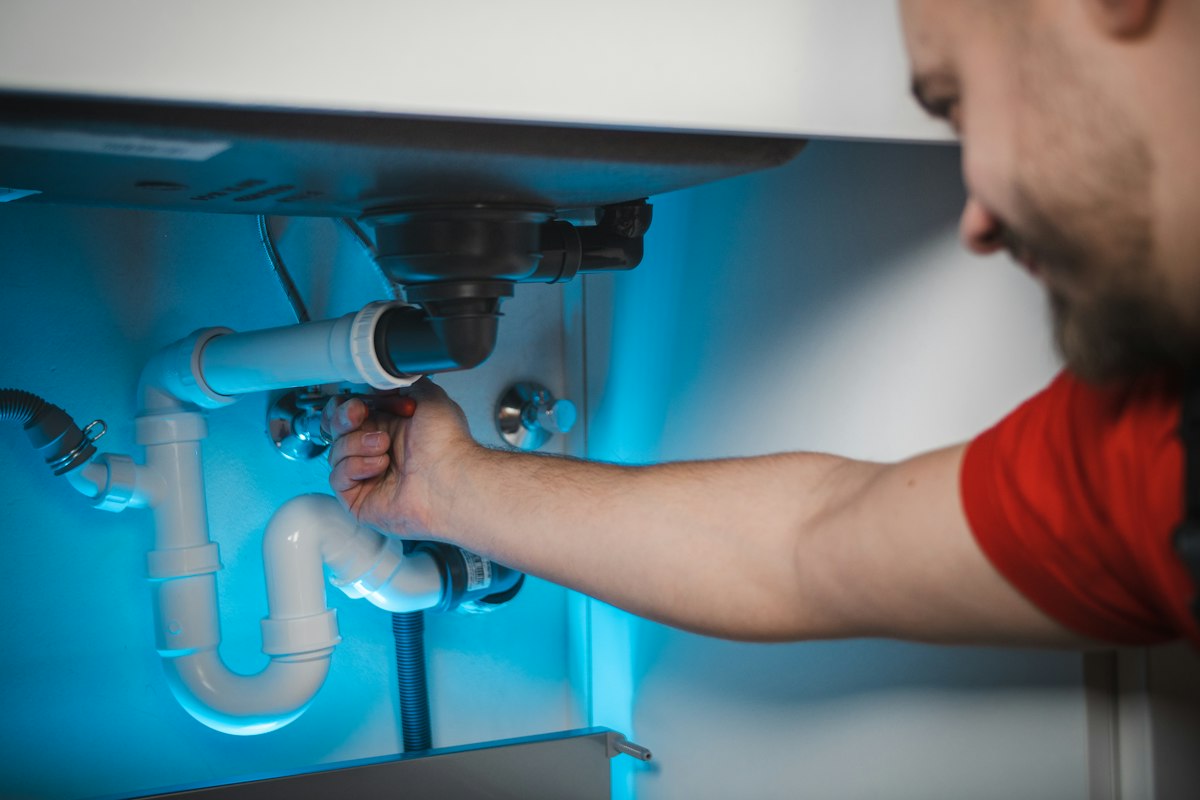
How a Plumber Services a Sump Pump
- 1
Inspect the pit: check the water level, debris, float movement and pit condition.
- 2
Test the pump: fill the pit with water and confirm the pump starts, empties the pit and shuts off.
- 3
Check the check valve: a one-way valve in the discharge pipe that stops water flowing back into the pit.
- 4
Inspect the discharge line: confirm it is clear, sloped correctly and discharges far enough from the foundation.
- 5
Check electrical supply: a dedicated GFCI-protected outlet is common practice.
- 6
Clean or replace: clear debris, free the float, or replace a failing pump.
Sump Pump Replacement and Installation
A replacement follows the steps below.
- 1
Size the pump: horsepower and flow are chosen for the pit's inflow and the height and length of the discharge.
- 2
Disconnect and remove the old pump.
- 3
Clean the pit: remove silt and debris.
- 4
Install the new pump on a stable base, with the float free to move.
- 5
Install a new check valve and reconnect the discharge.
- 6
Add a backup if desired, and an alarm.
- 7
Test through several full cycles.
A new installation, where no pit exists, also involves cutting the basement floor, excavating the pit, connecting drain tile and running a new discharge line through the wall. This is a larger project and often part of a basement waterproofing system.
Discharge Lines: Where the Water Goes
The discharge line is as important as the pump. It should carry water far enough from the house that it does not soak back into the soil around the foundation. In cold climates, the outdoor section can freeze, so it should slope to drain completely and may need a freeze guard that lets water escape if the line is blocked by ice. Many cities prohibit connecting a sump pump to the sanitary sewer, because storm water overloads sewage treatment plants; the water usually goes to the yard, a dry well or a storm drain, according to local rules.
Sewage Ejector Pumps
A sewage ejector pump is different from a sump pump. It lifts waste water from fixtures that sit below the main sewer line, such as a basement bathroom or laundry, up into the sewer. It sits in a sealed basin with a vented lid, because it handles sewage. Ejector pumps need the same attention as sump pumps: test them, listen for unusual running, and respond quickly to alarms. A failed ejector pump means basement fixtures cannot be used until it is repaired.
Other Home Water Pumps
| Pump | What it does | |
|---|---|---|
| Condensate pump | Removes water from a furnace, air conditioner or high-efficiency water heater where gravity drainage is not possible | |
| Booster pump | Raises low water pressure from the city supply; see [[water-pressure | water pressure repair]] |
| Recirculation pump | Moves hot water through the pipes so it arrives faster at the tap | |
| Laundry tray pump | Lifts water from a basement laundry sink to the drain | |
| Well pump | Draws water from a private well; see [[well-pumps | well pump repair]] |
What Affects the Cost of Sump Pump Service?
| Factor | Effect on cost |
|---|---|
| Repair vs. replacement | Freeing a float costs less than a new pump |
| Pump type and capacity | Larger and higher-quality pumps cost more |
| Backup system | Adds equipment and labor |
| New pit installation | Concrete cutting, excavation and drain tile connection |
| Discharge line work | Rerouting or extending the line |
| Electrical work | A dedicated outlet may need an electrician |
| Emergency timing | Calls during storms may cost more |
How Long Does Sump Pump Work Take?
A sump pump test and inspection takes under an hour. Replacing a pump usually takes one to two hours. Adding a battery backup takes one to two hours. Installing a new pit and pump can take most of a day or longer.
How to Test Your Sump Pump
Test the pump every few months and before the rainy season.
- 1
Check that the pump is plugged in and the outlet has power.
- 2
Slowly pour a bucket of water into the pit until the float rises.
- 3
Watch the pump start and empty the pit.
- 4
Confirm it shuts off when the water drops.
- 5
Check outside that water is leaving the discharge pipe.
- 6
Test the backup by unplugging the main pump and repeating the test, if your system allows.
Preventing Basement Flooding
- Test the sump pump regularly and before storms.
- Install a backup pump and alarm.
- Keep gutters and downspouts clear and extended away from the house.
- Grade soil away from the foundation so water drains outward.
- Keep the pit clean and the float free of obstructions.
- Replace aging pumps before they fail.
- Consider a backwater valve to stop sewer backups into floor drains.
What to Do if the Basement Floods
- 1
Stay safe: do not walk into standing water if electrical outlets or appliances may be submerged; shut off power at the panel if you can do so safely.
- 2
Check the pump: see if it has power and is running.
- 3
Remove water: use a wet vacuum or a temporary pump.
- 4
Call a plumber to restore the sump pump.
- 5
Dry the area quickly to prevent mold.
- 6
Document damage for insurance.
Flooding at night or during a storm is handled by our 24-hour emergency plumbing line.
Sizing a Sump Pump
A sump pump must move water faster than it flows into the pit. Pumps are rated in horsepower, but the more useful figure is gallons per hour at a given lift, often called the head. Head is the vertical height the pump must push water, from the pit to where the discharge leaves the house, plus an allowance for the length of the pipe. A pump that moves plenty of water at a few feet of lift may move much less at ten feet. A plumber sizes a pump by watching how fast the pit fills during wet weather, measuring the lift and discharge length, and choosing a pump whose rating covers that flow with room to spare. Oversized pumps can short-cycle, and undersized pumps run constantly and fall behind in storms, so matching the pump to the pit matters.
Crawl Space Pumps
Crawl spaces can collect water too. A crawl space sump pump works the same way as a basement pump, usually in a smaller basin, and is often part of a crawl space encapsulation that includes a vapor barrier and drainage. Because crawl spaces are hard to reach, an alarm that sounds inside the home when the pump fails is especially useful. Ask the plumber to label the pump's outlet and breaker, so anyone in the home can check them quickly during a storm. Crawl space pumps also need their discharge routed well away from the foundation, just like basement pumps, or the water simply returns to the crawl space and the pump runs again and again.
Questions to Ask Your Plumber
- 1
Is my pump the right size for my pit? Ask how they sized it.
- 2
Do I have a working check valve? It prevents short cycling.
- 3
What backup do you recommend for my home? Battery or water-powered.
- 4
Where does my discharge go, and is it legal? Local rules vary.
- 5
How often should I replace my pump? Plan ahead.
Sump Pump FAQs
How long do sump pumps last?
Many sump pumps last around 7 to 10 years, depending on quality and how often they run. Pumps in wet areas that run frequently wear out sooner.
Why does my sump pump run constantly?
Constant running can mean a stuck float, a failed check valve letting water flow back, a pump too small for the inflow, or a high water table. A plumber can tell which.
Do I need a backup sump pump?
A backup is strongly recommended in homes where basement flooding would cause damage, especially where storms often cause power outages.
Can a sump pump drain into the sewer?
Many cities prohibit connecting sump pumps to the sanitary sewer. Check local rules; the water usually goes to the yard or a storm system.
Is a sump pump the same as an ejector pump?
No. A sump pump removes clean groundwater. A sewage ejector pump lifts waste water from below-grade fixtures into the sewer.
Related Plumbing Services
Sump pumps connect to several services. Private wells use well pump repair, and low city pressure can be fixed with a booster through water pressure repair. Basement bathrooms with ejector pumps are planned through kitchen and bathroom plumbing, and storm-related flooding is handled by our 24-hour emergency plumbing line.