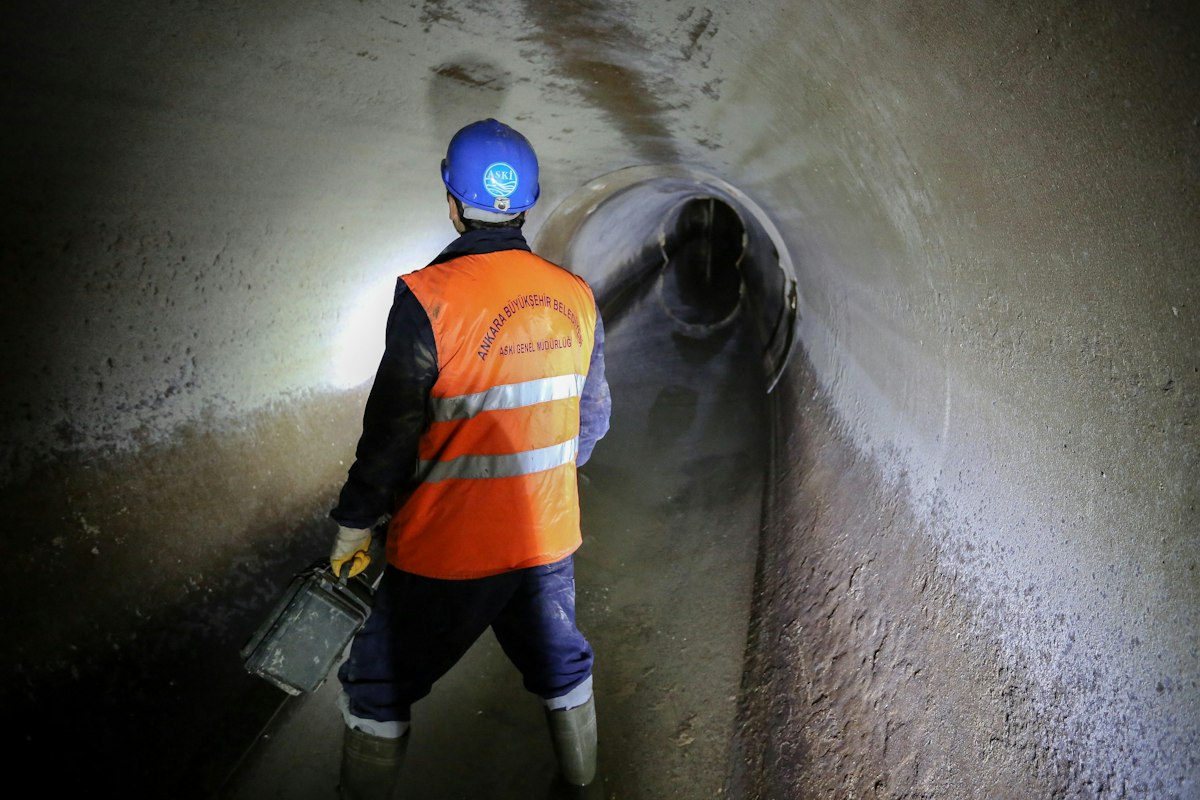
What Is Sewer Line Repair?
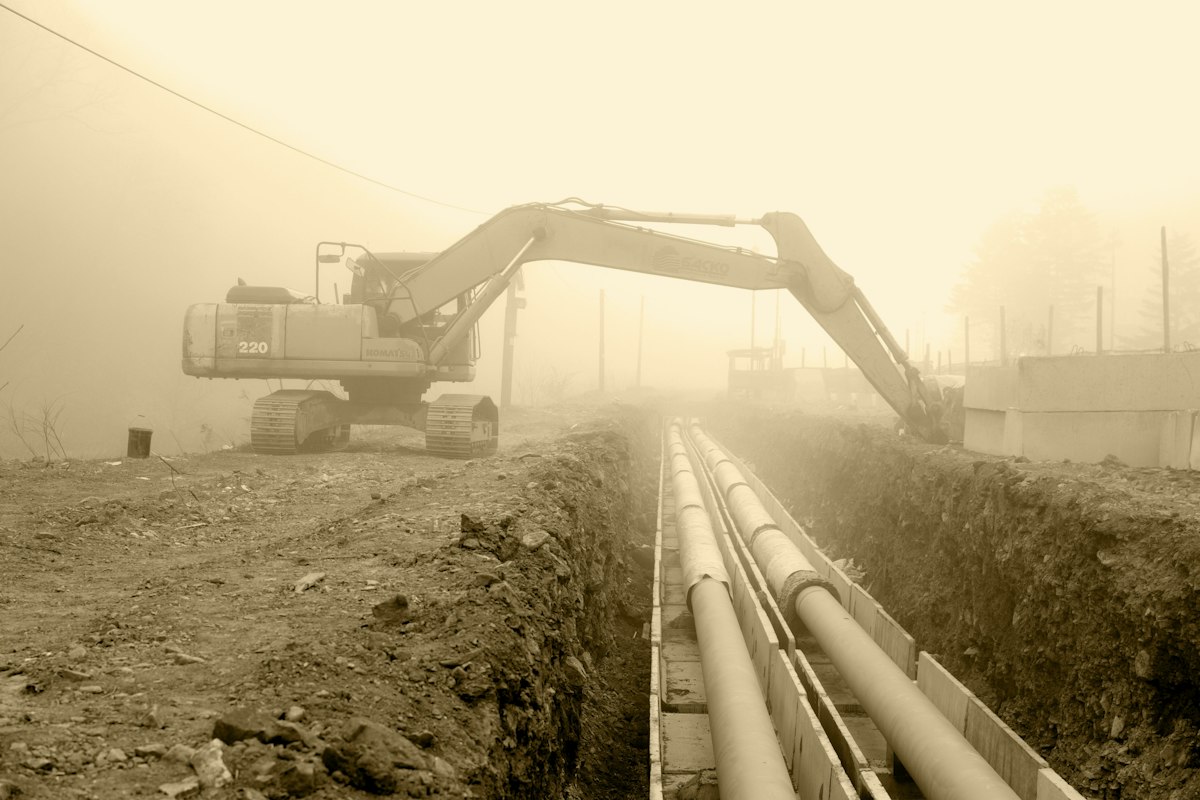
Sewer line repair is the work of fixing or replacing a damaged section of the pipe that carries wastewater from a home to the city sewer or a septic tank. The sewer line, also called the sewer lateral, runs underground from the house foundation to the connection at the street. When it cracks, separates, sags, collapses or fills with roots, wastewater cannot leave the home properly, and the result is backups, odors and, in some cases, damage to the yard or foundation.
A plumber first locates and diagnoses the problem with a sewer camera and an electronic locator. The camera shows what is wrong inside the pipe, and the locator shows where the problem is and how deep it lies. The repair is then chosen to match the damage: a short spot repair, a lining of the existing pipe, a full replacement by pipe bursting, or a traditional open-trench replacement.
Sewer line repair is a separate job from cleaning. Main sewer line cleaning clears a sound pipe. Repair fixes a pipe that is broken.
Signs of a Damaged Sewer Line
The signs below point to a damaged sewer line rather than a simple clog. Several together, or a sign that keeps returning after cleaning, make damage more likely.
- Repeated main-line backups: the line is cleaned, then backs up again within months.
- Sewer odor outside: a sewage smell near the foundation or in the yard over the line.
- Soggy or sunken ground: wet patches, unusually green grass, or a dip in the yard along the sewer path.
- Slow drains throughout the house: every fixture drains slowly despite cleaning.
- Rodents or insects: rats and cockroaches can enter homes through broken sewer pipe.
- Foundation cracks or settling: a long-term leak can wash away soil under a slab or footing.
- Mold or damp in the basement: a leaking line near the foundation raises moisture levels.
What Causes Sewer Line Damage?
Sewer lines fail for a handful of reasons. The table below sets out each cause and the pipe materials it most affects.
| Cause | What happens | Pipes most affected |
|---|---|---|
| Tree roots | Roots enter joints and cracks, then widen them as they grow | Clay, older concrete, cast iron |
| Corrosion | The pipe wall thins and develops holes from the inside | Cast iron, older steel |
| Ground movement | Settling, freeze-thaw or construction shifts pipe sections apart | All materials |
| Bellies (sags) | Soil settles under a section and the pipe dips, trapping waste | All materials, especially older lines |
| Age and material failure | Fiber pipe deforms; clay joints loosen | Orangeburg fiber pipe, clay |
| Heavy loads | Vehicles or construction over a shallow line crack the pipe | Shallow lines under driveways |
| Poor installation | Bad joints, wrong slope or weak bedding | Any line |
Pipe material tells a plumber a lot about likely problems. Homes built before about 1980 often have clay or cast-iron lines. Some homes from the 1940s to the 1970s have Orangeburg pipe, a fiber pipe that is widely considered past its life. Modern lines are usually PVC or ABS plastic.
How a Plumber Diagnoses a Sewer Line
Diagnosis decides the repair, so a careful plumber spends time on it. The five steps below describe a proper sewer diagnosis.
- 1
Clear the line if blocked: the camera needs a path, so a blocked line is opened first with a cable machine.
- 2
Camera inspection: a waterproof camera on a push rod travels the line and records video of its condition.
- 3
Locate the defects: a transmitter in the camera head is traced from above ground, so each defect is marked on the surface with its depth.
- 4
Identify the material: the camera shows whether the pipe is clay, cast iron, fiber or plastic, and where materials change.
- 5
Explain the options: the plumber shows you the footage and explains the repair methods that suit the damage, with prices.
Sewer Line Repair Methods
Four main methods fix a damaged sewer line. Each suits different damage, depth and site conditions.
| Method | What it involves | Best for | Digging required |
|---|---|---|---|
| Spot repair | Digging at one point and replacing a short section | One break, sag or root-filled joint in an otherwise sound line | One small excavation |
| Pipe lining (CIPP) | Installing a resin-soaked liner inside the old pipe and curing it in place | Cracks, root entry and joint leaks along a pipe that keeps its shape | One or two access points |
| Pipe bursting | Pulling new pipe through the old one while a head splits the old pipe | Badly damaged pipe, or pipe too small | Two access pits |
| Open-trench replacement | Digging a trench along the line and replacing the pipe | Collapsed pipe, severe bellies, shallow lines, or when the line must be rerouted | Full trench |
Lining and bursting are the two trenchless sewer repair methods. They avoid most excavation and protect driveways, patios and landscaping. Open trench is still the right choice when the pipe has collapsed or the slope must be corrected.
Spot Repair vs. Full Replacement
The choice between a spot repair and a full replacement depends on how much of the line is damaged. A spot repair makes sense when the camera shows one defect in a line that is otherwise in good condition. A full replacement or lining makes sense when defects appear along the line, when the pipe material is near the end of its life, or when spot repairs have already been made more than once.
Repairing one section of an old clay line can move the problem rather than solve it, because the next weak joint fails next. A plumber should show you the full camera footage so you can see why they recommend one option over the other.
What Affects the Cost of Sewer Line Repair?
Sewer line repairs vary widely in price because no two lines are the same. The factors below drive the cost.
| Factor | Effect on cost |
|---|---|
| Repair method | Spot repairs cost least; full replacement costs most |
| Length of damage | More damaged pipe means more material and labor |
| Depth of the line | Deeper lines need more excavation and shoring |
| What sits above the line | Driveways, patios and mature landscaping raise open-trench costs |
| Location of damage | Damage under the street or a public sidewalk can need city permits and traffic control |
| Pipe material and size | Some materials and diameters cost more to replace |
| Permits and inspections | Most sewer work needs a permit and a city inspection |
| Restoration | Replacing lawn, concrete or pavers after digging |
Your plumber quotes the job after the camera inspection, so the price reflects the actual damage.
How Long Does Sewer Line Repair Take?
A spot repair usually takes one day. Trenchless lining or pipe bursting on a typical residential line often takes one to two days. Open-trench replacement usually takes two to five days, depending on length, depth, permits and restoration. Permit timing and city inspections can add days to any method. Water use in the home is limited while the line is being worked on.
Permits, Codes and Responsibility
Sewer line repair is regulated work in most places. The points below apply in most US jurisdictions, though details vary.
- Permits: most cities require a permit for sewer repair or replacement, and an inspection before the trench is closed.
- Ownership: the homeowner usually owns the lateral from the house to the city connection; some cities also make the owner responsible for the part under the street.
- Utility marking: buried utilities must be marked before digging, usually by calling 811.
- Cleanouts and backwater valves: codes may require a cleanout or backwater valve to be added during the work.
Preventing Sewer Line Damage
The steps below reduce the risk of a sewer line failing.
- Keep trees away from the line: plant trees well clear of the sewer path.
- Clean on schedule: regular main sewer line cleaning keeps roots from widening joints.
- Flush only toilet paper: wipes and paper products catch on defects and cause backups.
- Keep heavy loads off shallow lines: avoid parking heavy vehicles over the line.
- Inspect before buying: a sewer camera check is part of any thorough plumbing inspection on an older home.
Sewer Pipe Materials and How They Age
The material of your sewer line explains many of its problems. The table below describes the materials found in US homes.
| Material | Era most used | Typical weakness | Notes |
|---|---|---|---|
| Clay (vitrified clay) | Common before about 1980 | Joints every few feet admit roots | The pipe body is durable; the joints fail |
| Cast iron | Common before about 1980 | Corrodes from the inside, cracks, scales | Often found under slabs and in older stacks |
| Orangeburg (bituminous fiber) | Roughly 1940s to 1970s | Deforms, blisters and collapses with age | Widely considered past its useful life |
| Concrete | Some older laterals | Erodes and cracks | More common in larger lines |
| PVC and ABS plastic | Common from the 1970s onward | Poor glue joints, damage from ground movement | Modern standard; resists roots and corrosion |
If you do not know your pipe material, a camera inspection identifies it, including where an older line has been partly replaced.
What to Expect During a Sewer Line Repair
Knowing the process makes a repair less disruptive. Before work starts, the plumber pulls a permit if one is needed and arranges for buried utilities to be marked. On the day, the work area is fenced or taped off and the excavation or access pits are dug. Water use in the home is paused or limited while the line is open.
After the repair, the new section is tested, and in most cities an inspector checks the work before the trench or pits are backfilled. The plumber then runs a final camera inspection. Ask for that footage as a record of the repair.
Buying a Home With an Older Sewer Line
A sewer line inspection is one of the most useful checks when buying an older home. Standard home inspections usually look only at visible plumbing and do not include the buried sewer line. A camera inspection before closing shows roots, breaks, sags and the pipe material, so repair costs can be part of the negotiation instead of a surprise after you move in. Ask for a sewer scope as part of a full plumbing inspection.
Which Sewer Problems Are Urgent?
Not every sewer defect needs immediate repair. The table below separates problems that need prompt action from those that can be planned.
| Problem | Urgency | Why |
|---|---|---|
| Sewage backing up into the home | Immediate | Health hazard and property damage |
| Collapsed section | Immediate | The line cannot carry waste |
| Sinkhole or depression over the line | Prompt | Soil is washing into a break |
| Recurring root blockages | Plan soon | Roots widen joints over time |
| Minor cracks with no backups | Plan and monitor | Can often be lined before they worsen |
Sewer Line Repair FAQs
Can a sewer line be repaired without digging up the yard?
Many sewer lines can be repaired with trenchless methods, which need only one or two small access points. Lining and pipe bursting both avoid a long trench. Collapsed pipes and severe sags may still need excavation.
How long does a new sewer line last?
A modern PVC sewer line or a cured-in-place liner is designed to last for decades. Lifespan depends on installation quality, soil conditions and what goes down the drains.
Does homeowners insurance cover sewer line repair?
Standard homeowners policies often exclude sewer line wear and tear. Some insurers and utilities sell separate service line coverage. Check your policy before work begins.
Is a sewer line repair an emergency?
A sewer line problem becomes an emergency when sewage backs up into the home. Stop using water and call our 24-hour emergency plumbing line. Other sewer defects can usually be scheduled.
Why do roots keep growing into my sewer line?
Roots grow toward the water and nutrients that leak from cracks and loose joints. Cutting them clears the line, but they return until the joint or crack is sealed by repair or lining.
Related Plumbing Services
Sewer line repair sits at the end of the drain and sewer chain. Blocked lines start with main sewer line cleaning, heavy buildup responds to hydro jetting, and the no-dig options are explained on our trenchless sewer repair page. Before buying a home, a sewer camera check during a plumbing inspection shows the line's condition.