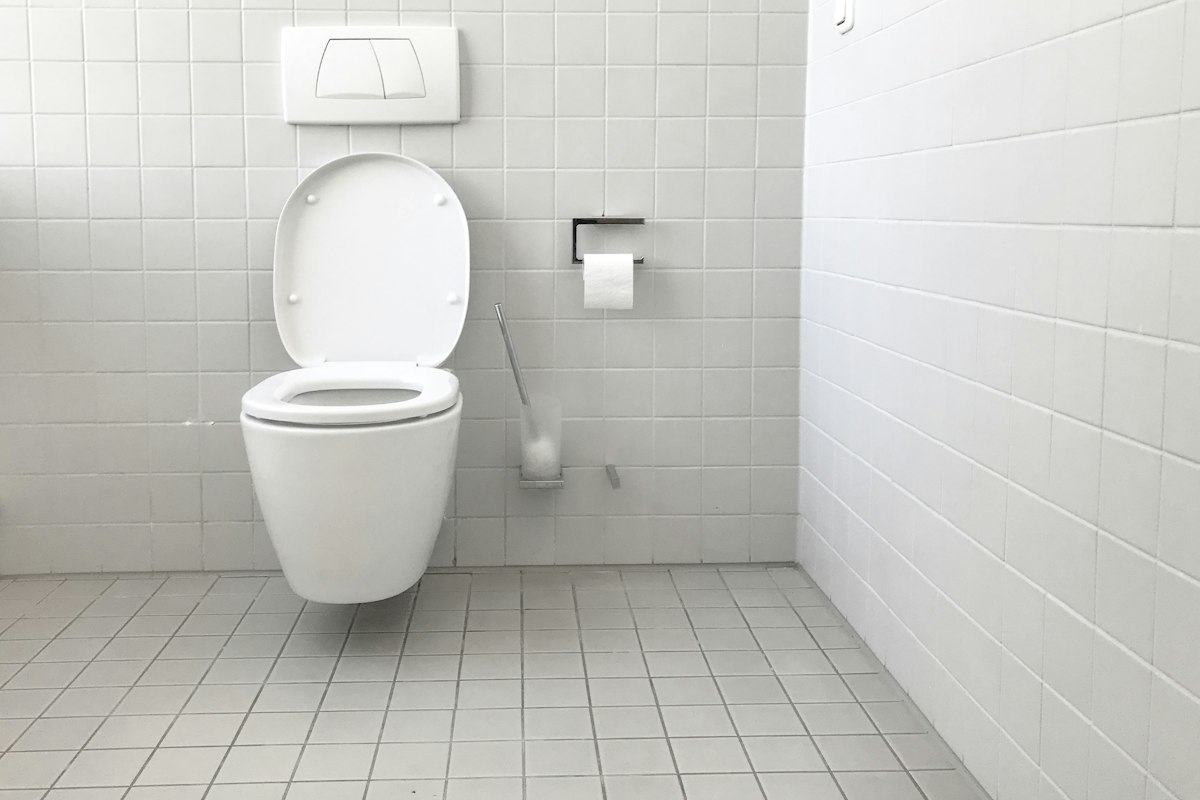
What Is Toilet Repair and Bidet Installation?
Toilet repair is the diagnosis and fixing of a toilet that runs, leaks, clogs, flushes weakly or rocks on the floor. Bidet installation is the fitting of a bidet seat, a bidet attachment or a standalone bidet fixture, with the water supply and, for electric seats, the power supply it needs. Both jobs center on the same parts: the tank and its valves, the bowl, the wax ring and flange that seal the toilet to the drain, and the supply line and shut-off valve that feed it.
Most toilet problems come from a handful of inexpensive parts inside the tank, such as the flapper, fill valve or flush valve. A plumber can usually repair them in one visit. When the porcelain is cracked, the toilet is very old and inefficient, or problems keep returning, replacing the toilet often makes more sense.
Toilets matter more than their simple design suggests. A running toilet can waste a large amount of water every day, and a slow leak at the base can rot the subfloor long before it shows.
Signs Your Toilet Needs Repair
The signs below show that a toilet needs attention.
- Running water: the tank refills on its own or water keeps trickling into the bowl.
- Phantom flushes: the toilet refills briefly with nobody using it.
- Weak or incomplete flush: waste does not clear in one flush.
- Frequent clogs: the toilet clogs with normal use.
- Water around the base: a failed wax ring or a crack in the bowl.
- Rocking or wobbling: loose bolts or a damaged flange.
- Slow tank refill: a worn or clogged fill valve.
- Sewer smell in the bathroom: often a failed wax seal.
- Cracks in the tank or bowl: porcelain cracks usually mean replacement.
Common Toilet Problems and Their Fixes
The table below matches each problem with its usual cause and repair.
| Problem | Usual cause | Typical repair |
|---|---|---|
| Running toilet | Worn flapper or fill valve set too high | Replace the flapper or adjust or replace the fill valve |
| Phantom flushing | Flapper leaking slowly into the bowl | Replace the flapper and check the flush valve seat |
| Weak flush | Low water level, clogged rim jets or partial clog | Adjust the water level, clean the jets, clear the trapway |
| Frequent clogs | Partial blockage, low-flow older design or a drain issue | Clear the trapway; check the drain line; consider replacement |
| Leak at the base | Failed wax ring or loose bolts | Pull the toilet, replace the wax ring, reset |
| Leak between tank and bowl | Worn tank bolts or gasket | Replace the tank-to-bowl gasket and bolts |
| Wobbly toilet | Loose bolts, uneven floor or broken flange | Tighten, shim or repair the flange |
| Slow refill | Clogged or worn fill valve, partly closed supply valve | Clean or replace the fill valve; open the valve |
| Sweating tank | Cold water meeting humid air | Insulated tank liner or a mixing valve |
How to Check for a Silent Toilet Leak
A toilet can leak into the bowl silently and waste water every hour. Use the dye test below to check.
- 1
Remove the tank lid.
- 2
Add a few drops of food coloring to the tank water.
- 3
Wait 15 to 20 minutes without flushing.
- 4
Look in the bowl. If colored water appears, the flapper or flush valve is leaking.
- 5
Flush to clear the dye, which can stain if left.
This is one of the most common hidden leaks in a home. Other ways to find hidden leaks are covered on our leak detection page.
How a Plumber Repairs a Toilet
A toilet repair follows five steps.
- 1
Diagnose: the plumber watches the toilet fill and flush, checks the water level, and inspects the base and connections.
- 2
Shut off the water: the supply valve behind the toilet is closed and the tank drained.
- 3
Replace failed parts: flapper, fill valve, flush valve, handle, gaskets or wax ring as needed.
- 4
Reset and seal: if the toilet was pulled, it is reset on a new wax ring with new bolts and checked for level.
- 5
Test: the plumber flushes repeatedly, checks for leaks at every joint, and confirms the toilet shuts off fully.
If the supply valve behind the toilet is old, seized or leaking, it is usually replaced at the same time; see shut-off valve replacement.
Toilet Clogs That Keep Coming Back
A toilet that clogs often may have a problem beyond the bowl. The table below lists the usual causes.
| Cause | Sign | |
|---|---|---|
| Object lodged in the trapway | Clogs started suddenly, often after a child's toy or item fell in | |
| Older low-flow design | Toilets from the early low-flow era often flush weakly | |
| Blocked vent | Gurgling and slow flushing in several fixtures | |
| Partial drain or main line clog | Other drains are also slow; see [[clogged-drains | clogged drain repair]] |
| Too much paper or non-flushable items | Wipes and hygiene products |
A closet auger clears most toilet clogs. If an object is stuck, the plumber may need to remove the toilet to retrieve it.
Repair or Replace Your Toilet?
| Situation | Usual recommendation |
|---|---|
| Running toilet or worn parts | Repair |
| Leak at the base | Repair: new wax ring |
| Cracked tank or bowl | Replace |
| Frequent clogs from an old low-flow design | Replace with a modern high-efficiency model |
| Toilet is very old and uses a lot of water per flush | Replace to save water |
| Remodeling the bathroom | Replace to match the new design |
Modern high-efficiency toilets use far less water per flush than older models while flushing effectively. Toilets labeled under the EPA's WaterSense program meet both water-use and flushing performance criteria.
Types of Toilets
| Type | Description | Notes |
|---|---|---|
| Two-piece | Separate tank and bowl | The most common and least costly |
| One-piece | Tank and bowl molded together | Easier to clean; heavier |
| Wall-hung | Bowl mounted on the wall, tank in the wall | Saves floor space; needs an in-wall carrier |
| Comfort height | Bowl rim about 17 to 19 inches high | Easier for many adults to use |
| Dual-flush | Two buttons for a small or full flush | Saves water |
| Pressure-assisted | Uses air pressure for a powerful flush | Louder; strong performance |
Bidet Options
Bidets clean with water and can reduce toilet paper use. The table below compares the main options.
| Option | What it is | Installation needs |
|---|---|---|
| Bidet attachment | A thin unit fitted under the existing seat | Connects to the toilet supply; no power |
| Non-electric bidet seat | Replaces the toilet seat with built-in spray nozzles | Connects to the toilet supply |
| Electric bidet seat | Heated seat, warm water, dryer and other features | Needs a nearby GFCI outlet, often added by an electrician |
| Integrated smart toilet | Toilet and bidet in one unit | Water and power; usually a full toilet replacement |
| Standalone bidet | A separate fixture beside the toilet | Its own supply and drain; usually done during a remodel |
A plumber installs the water connection with a proper tee and shut-off, so the bidet and toilet can be isolated for repairs. For warm-water bidets, some models connect to the hot supply under the sink; others heat water inside the seat.
How Long Do Toilet Repairs Take?
A flapper or fill valve replacement takes 30 minutes to an hour. Resetting a toilet on a new wax ring takes about an hour. Installing a new toilet usually takes one to two hours. A bidet attachment or non-electric seat takes under an hour; an electric seat can take longer if an outlet must be added.
What Affects the Cost of Toilet Service?
| Factor | Effect on cost |
|---|---|
| Repair vs. replacement | Parts cost far less than a new toilet |
| Flange condition | A broken flange adds repair work |
| Floor damage | Rotted subfloor must be repaired before resetting |
| Toilet type | Wall-hung and smart toilets cost more to install |
| Electrical needs | Electric bidet seats may need a new outlet |
| Haul-away | Removing an old toilet |
Preventing Toilet Problems
- Flush only toilet paper: wipes and hygiene products cause clogs even when labeled flushable.
- Do the dye test once a year to catch silent leaks.
- Keep the supply valve working: turn it off and on once a year.
- Fix a running toilet promptly: it wastes water every hour.
- Avoid in-tank cleaning tablets: some can wear flappers and seals.
- Check the base: a soft or stained floor around the toilet needs attention.
Toilet Parts Explained
Knowing the main parts of a toilet makes repairs easier to understand.
- Fill valve: the tall valve on the left side of the tank that refills it after a flush.
- Flapper: the rubber seal at the bottom of the tank that lifts to start a flush and drops to seal.
- Flush valve: the opening and overflow tube the flapper seals against.
- Handle and chain: connect the lever to the flapper.
- Wax ring: the seal between the toilet base and the drain flange in the floor.
- Closet flange: the fitting in the floor that the toilet bolts to.
- Supply line and shut-off valve: bring water from the wall to the tank.
Most running toilets are a flapper or fill valve, and most base leaks are the wax ring. Replacement parts are inexpensive and widely available for standard two-piece toilets, but some one-piece and designer models use brand-specific parts, so note the brand and model printed inside the tank before ordering. A plumber usually carries universal parts that fit most common toilets, so many repairs are finished on the first visit.
What to Expect When a Toilet Is Replaced
A toilet replacement starts with shutting off and draining the old toilet, removing it, and scraping away the old wax ring. The plumber inspects the closet flange and the subfloor; a cracked flange is repaired with a repair ring or replaced, and soft subfloor is reported before anything is reset. The new toilet is set on a fresh wax ring or waxless seal, bolted down level, and connected with a new supply line. The plumber flushes it several times, checks for leaks at the base and the supply, and adjusts the water level. The old toilet is hauled away. The whole job usually takes one to two hours, and the bathroom can be used as soon as the plumber has tested it.
Questions to Ask Your Plumber
- 1
Is it worth repairing this toilet? Ask about its age, efficiency and condition.
- 2
Is the flange and subfloor sound? Check before resetting.
- 3
Should the supply valve and line be replaced? They are inexpensive and often overdue.
- 4
Which toilet do you recommend, and why? Ask about flush performance and water use.
- 5
Does my bidet need an outlet? Plan electrical work before buying an electric seat.
Toilet and Bidet FAQs
Why does my toilet keep running?
A running toilet usually has a worn flapper that lets water leak into the bowl, or a fill valve set too high so water spills into the overflow tube. Both are quick repairs.
How much water does a running toilet waste?
A running toilet can waste hundreds of gallons a day, depending on the size of the leak, which shows up quickly on the water bill.
Why is water leaking around the base of my toilet?
A leak at the base is usually a failed wax ring. The toilet must be removed and reset on a new ring. Check the subfloor for water damage at the same time.
Can a bidet be added to any toilet?
Most standard toilets accept a bidet attachment or bidet seat. Check the bowl shape (round or elongated) and the space behind the toilet, and plan for a GFCI outlet for an electric seat.
Is a clogged toilet an emergency?
A clogged toilet is urgent when it is the only toilet, when it overflows, or when other drains back up too. Those situations are handled by our 24-hour emergency plumbing line.
Related Plumbing Services
Toilets connect to several other services. Toilet clogs that keep returning may need clogged drain repair or drain cleaning. Silent leaks are found through leak detection, and a new toilet is often part of kitchen and bathroom plumbing during a remodel.