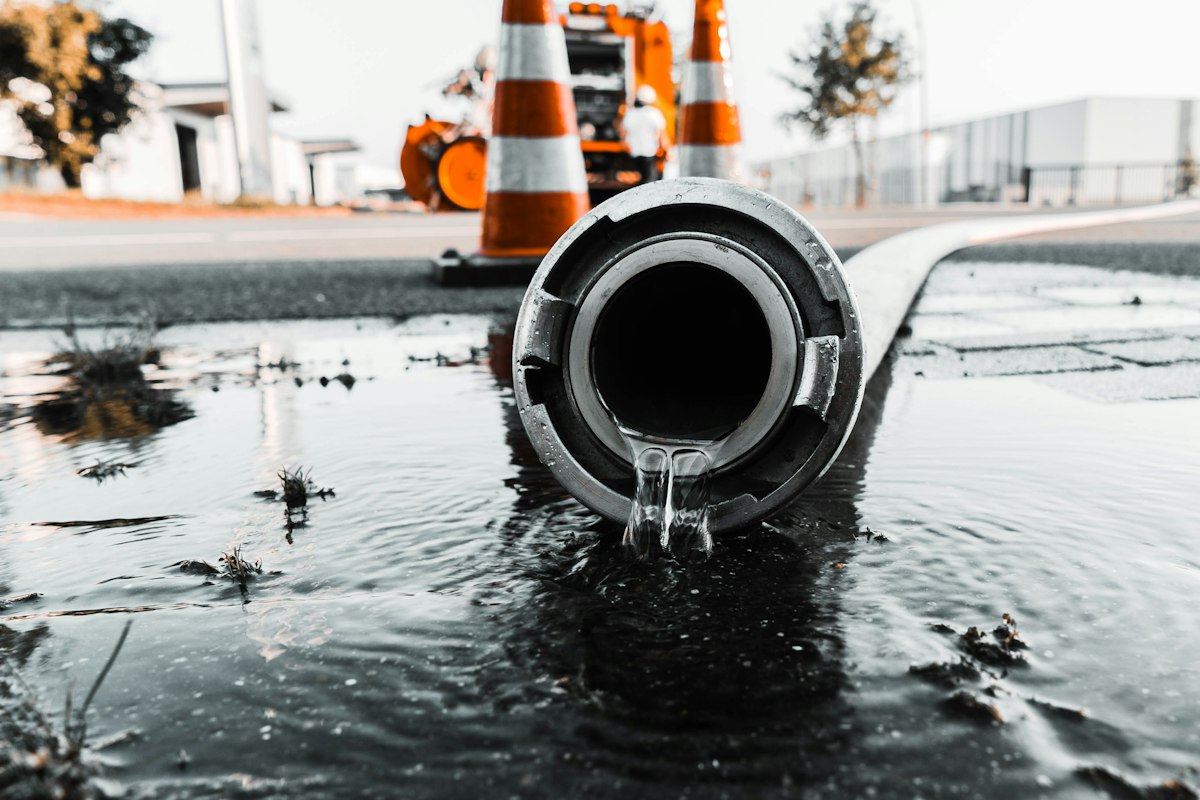
What Is 24-Hour Emergency Plumbing?
24-hour emergency plumbing is urgent plumbing service available at any time of day or night, including weekends and holidays, for problems that cannot safely wait for a regular appointment. A plumbing emergency is any situation where water is causing or about to cause damage, where a home has lost an essential service such as water, toilets or hot water in freezing weather, or where there is a risk to health or safety. Burst pipes, sewage backups, major leaks, overflowing toilets with no backup, and leaking water heaters are the most common examples.
Our dispatch line answers around the clock and connects you with an available independent local plumber. While you wait, the dispatcher can talk you through the steps that limit damage, such as shutting off the main water valve. The plumber's first job on arrival is to make the home safe and stop the damage. The permanent repair then follows, either on the same visit or at a scheduled time if parts or a larger job are needed.
Gas is different. If you smell gas, leave the home first and call your gas utility or 911 from outside. Do not use switches, phones or flames inside. Gas line repairs are covered on our gas line repair page.
What Counts as a Plumbing Emergency?
The table below separates true emergencies from problems that are urgent but can usually wait for the next available appointment.
| Situation | Emergency? | Why |
|---|---|---|
| Burst or spraying pipe | Yes | Water damage grows by the minute |
| Sewage backing up into the home | Yes | Health hazard and property damage |
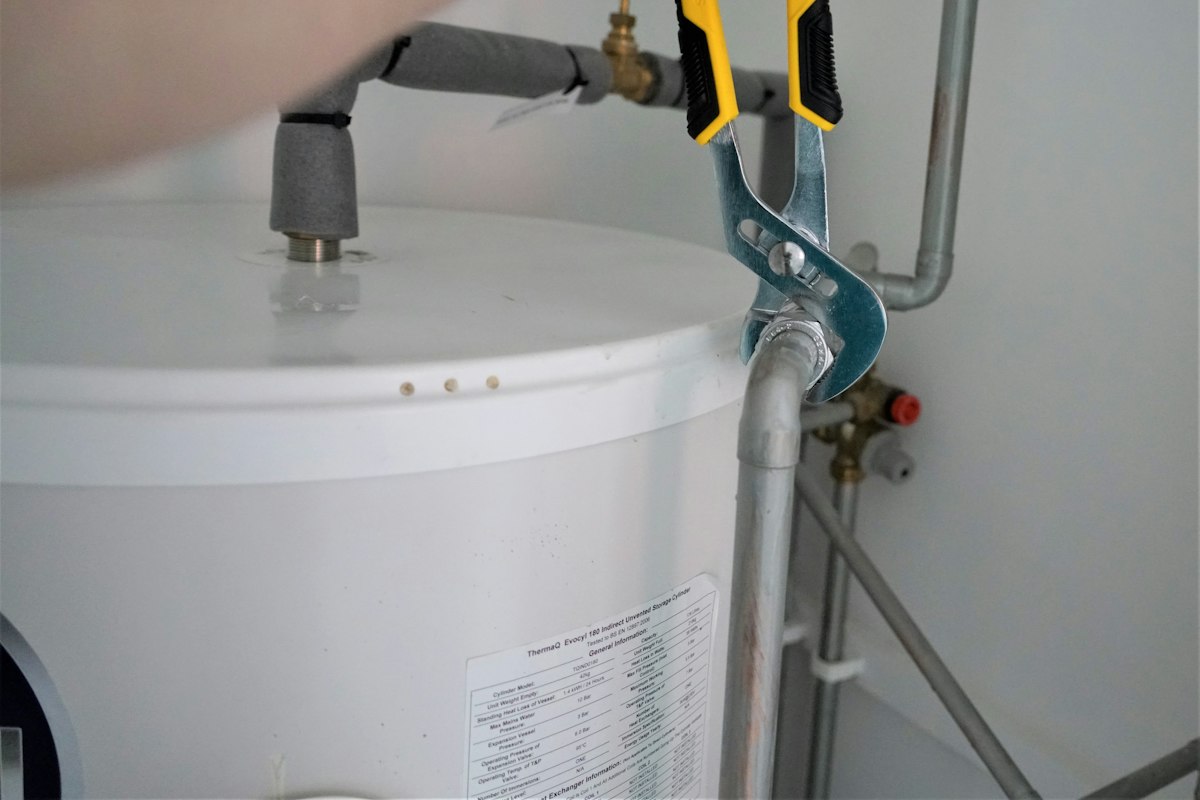
| Water heater leaking heavily | Yes | Flooding and scald risk |
| Water near electrical outlets or panels | Yes | Electrical hazard |
| Only toilet overflowing or unusable | Yes | Loss of essential sanitation |
| No water to the house | Yes | Loss of essential service |
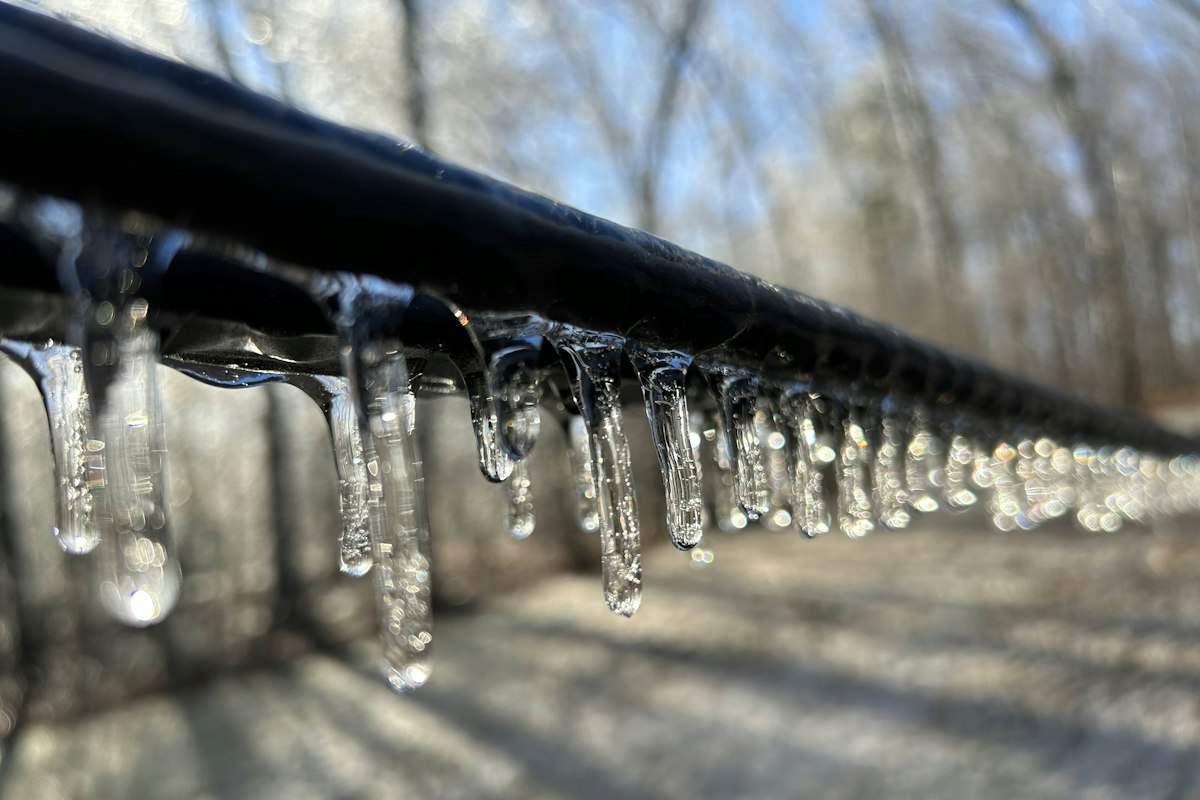
| Frozen pipes in freezing weather | Yes | High risk of bursting |
| Ceiling bulging or dripping | Yes | Collapse and water damage risk |
| Slow drain in one sink | Usually not | Book a regular visit |
| Dripping faucet | No | Book a regular visit |
| Running toilet | Usually not | Book a regular visit |
| No hot water in mild weather | Urgent | Book the next available visit |
When in doubt, call. The dispatcher can help you decide whether the problem needs someone tonight.
What to Do in a Plumbing Emergency
Act in this order while help is on the way.
- 1
Shut off the water: close the nearest fixture valve, or the main shut-off valve for a burst pipe or unknown leak.
- 2
Turn off electricity to any wet area if it can be done safely from a dry spot at the panel.
- 3
Turn off the water heater: switch off power or set the gas to pilot if the water supply is off or the heater is leaking.
- 4
Open faucets: drain remaining water from the pipes to reduce pressure and flooding.
- 5
Stop using drains: during a sewage backup, do not flush, run taps or use appliances.
- 6
Move valuables: lift belongings and electronics out of the water's path.
- 7
Document the damage: take photos and video for insurance.
- 8
Call us: describe what happened, what you have shut off and whether water is still flowing.
Know Your Main Shut-Off Valve
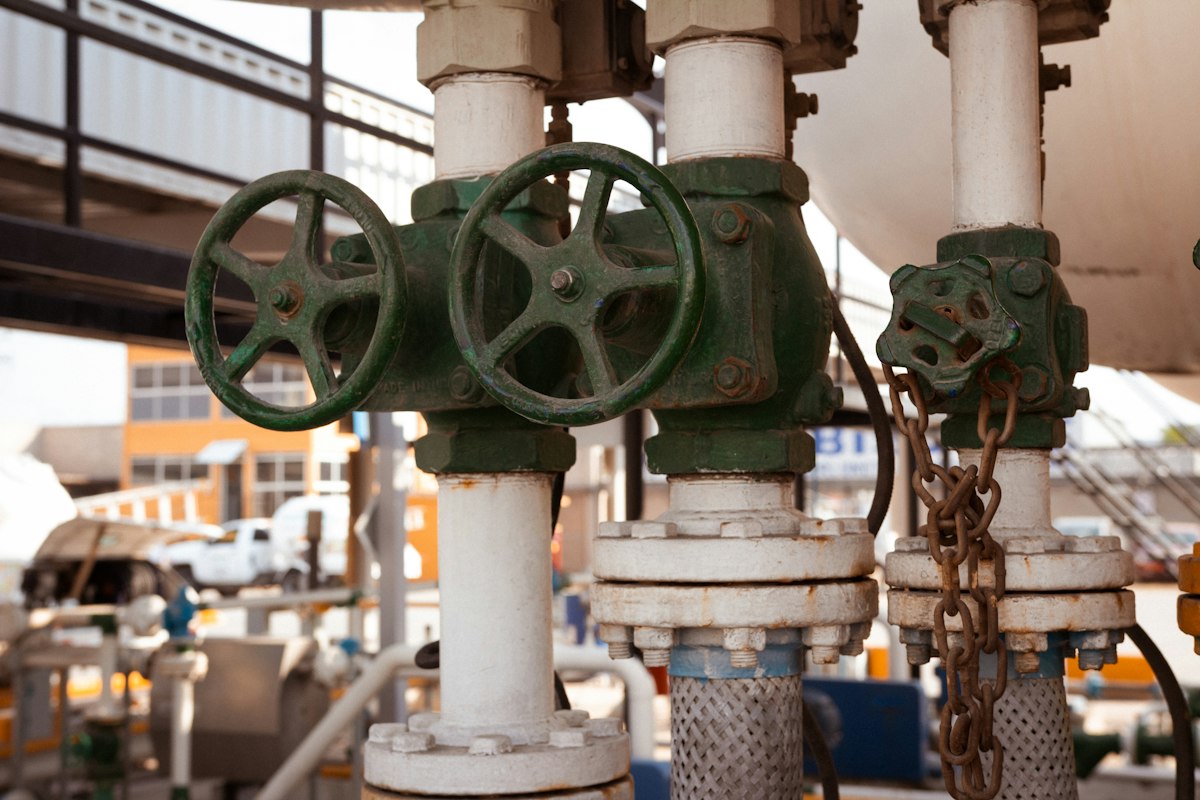
The single most useful thing in a plumbing emergency is knowing where the main shut-off valve is and that it works. It is usually where the water line enters the house: in a basement, crawl space, garage, utility room or on an outside wall. Find it before you need it, test that it turns, and show everyone in the household. If the valve is old, stiff or does not fully close, replace it; see shut-off valve replacement.
Common Plumbing Emergencies and What Plumbers Do
| Emergency | First response | Permanent fix | |
|---|---|---|---|
| Burst pipe | Shut off water, open the wall or ceiling to reach the break | Replace the damaged section; see [[frozen-pipes | frozen pipe repair]] |
| Sewage backup | Clear the main line to stop the backup | Camera inspection; [[drain-and-sewer-cleaning | main sewer line cleaning]] or repair |
| Overflowing toilet | Stop the flow, clear the clog | Repair the toilet or drain | |
| Leaking water heater | Shut off water and power or gas, drain if needed | Repair or replace; see [[hot-water-heaters | water heater repair]] |
| Major leak in a wall | Shut off water, locate the leak | Repair the pipe; see [[plumbing-leaks | plumbing leak repair]] |
| No water | Check valves, meter, well or pump | Repair the failed part | |
| Slab leak flooding floors | Shut off water, isolate hot or cold | Spot repair or reroute; see [[slab-leaks | slab leak repair]] |
| Sump pump failure during a storm | Remove water, restore the pump | Repair or replace; see [[sump-and-water-pumps | sump pump service]] |
What Happens When You Call
- 1
Dispatch answers: day or night, including holidays.
- 2
Triage: we ask what is happening, what you have shut off and whether anyone is at risk.
- 3
Safety advice: we talk you through shutting off water or power if needed.
- 4
Dispatch: we connect you with the nearest available independent local plumber.
- 5
Arrival: the plumber assesses the problem and makes the home safe.
- 6
Price before work: the plumber explains the options and the price before starting the repair.
- 7
Repair or schedule: the repair is made, or the home is made safe and the permanent fix is scheduled.
What Affects the Cost of Emergency Plumbing?
| Factor | Effect on cost |
|---|---|
| Time of call | Nights, weekends and holidays can carry after-hours rates with some providers |
| Type of problem | Clearing a clog costs less than replacing a burst pipe in a wall |
| Access | Pipes inside walls, ceilings or slabs take longer |
| Parts | Water heaters and specialty parts add cost |
| Extent of damage | Several failures or large leaks take more work |
| Follow-up work | Some emergencies need a second visit for the permanent repair |
Your plumber explains the price before work begins, so you can decide how to proceed. Water damage cleanup and drywall repair are usually handled separately from the plumbing repair.
How Fast Can a Plumber Arrive?
Response times depend on your location, the time, the weather and how many emergencies are happening at once. During regional events, such as a hard freeze or a major storm, demand rises sharply and wait times can be longer. Shutting off the water and following the steps above protects your home while you wait. We will tell you honestly what to expect when you call.
Water Damage After an Emergency
Plumbing emergencies often leave water damage. The steps below limit it.
- 1
Start drying within 24 to 48 hours: fans and dehumidifiers reduce mold risk.
- 2
Remove soaked materials: wet carpet padding, insulation and drywall often need removal.
- 3
Treat sewage as contaminated: anything it touched needs professional cleaning or disposal.
- 4
Call your insurer early: policies often require prompt notice and reasonable steps to limit damage.
- 5
Use a restoration company for large areas: professional equipment prevents hidden moisture problems.
Preventing Plumbing Emergencies
- Know and test your main shut-off valve.
- Replace old washing machine hoses with braided stainless hoses.
- Insulate exposed pipes before winter.
- Keep grease, wipes and hygiene products out of drains.
- Flush the water heater yearly and watch its age.
- Test the sump pump before the rainy season.
- Install leak sensors near the water heater, washer and sinks.
- Book an inspection of older plumbing; see plumbing inspection.
Emergency Plumbing by Room
Different rooms bring different emergencies. Knowing the usual problems in each helps you react quickly.
In the kitchen, the common emergencies are a leaking dishwasher, a burst supply line under the sink, and a sink drain backing up into the dishwasher. Close the valves under the sink, turn off the dishwasher at its breaker, and stop running water.
In the bathroom, the usual emergencies are an overflowing toilet, a burst supply line to the toilet or sink, and water coming through the ceiling below a shower. Close the valve behind the toilet or under the sink, and stop using the shower until the source is found.
In the laundry room, a burst washing machine hose can release water very fast, especially on an upper floor. Close the washer valves, or the main valve if they will not turn, and switch off the machine.
In the basement, emergencies include sewage backing up through a floor drain, a failed sump pump during a storm, and a leaking water heater. Stay out of standing water if outlets or appliances could be submerged, and shut off power at the panel only if you can reach it from a dry place.
Outside, a burst hose bib, a leaking irrigation line or water bubbling up in the yard can all point to supply problems. Close the outdoor faucet's interior shut-off valve, or the main valve, and call.
Emergencies in Rental Properties and Apartments
Tenants should report plumbing emergencies to the landlord or property manager immediately, and also take the safety steps above, such as shutting off water at the fixture or unit valve. Many apartments have a shut-off valve for each unit, often in a utility closet or under the kitchen sink. Leases usually explain who arranges repairs. Property managers and landlords can call our line directly for emergency service at a property they manage.
After the Emergency: Preventing a Repeat
Once the emergency is under control, ask the plumber what caused it and what would stop it happening again. A burst pipe in an exterior wall may need insulation or rerouting. A sewage backup may point to roots or a damaged line that needs a camera inspection. A failed water heater may have been near the end of its life. A failed washer hose suggests replacing the hoses on other appliances too. Fixing the cause turns an emergency into a one-time event rather than a pattern.
Build a Home Emergency Plumbing Kit
A few items kept in one place make any plumbing emergency easier to handle. Keep a flashlight, a bucket, old towels, a wet vacuum if you have one, a pipe repair clamp or rubber repair tape, an adjustable wrench, and a meter key if your area allows homeowners to use the curb stop. Tape a note inside a cabinet door showing where the main shut-off valve, the water heater shut-off and the electrical panel are, and save our number in your phone.
Questions to Ask on an Emergency Call
- 1
What should I shut off right now?
- 2
When can someone arrive?
- 3
Are there after-hours charges?
- 4
Will the plumber give me the price before starting work?
- 5
Can the permanent repair be done tonight, or will it be scheduled?
Emergency Plumbing FAQs
Is there really a plumber available at 2 a.m.?
Our dispatch line answers 24 hours a day, 7 days a week, including holidays. Availability of a plumber depends on your location and local demand, and we will tell you the expected arrival time when you call.
Should I turn off the main water valve?
Yes, for a burst pipe, a large leak, or any leak you cannot stop at a fixture valve. Turning off the main valve is the most effective way to limit water damage.
What if I cannot find or turn my main valve?
Shut off the water at the curb stop in the meter box if you can do so safely, or call your water utility. Then call us.
Does homeowners insurance cover plumbing emergencies?
Many policies cover sudden water damage, such as a burst pipe, but not gradual leaks or wear and tear. Sewer backup coverage often requires an add-on. Check your policy.
Can an emergency plumber fix everything on the first visit?
Many emergencies are fixed on the first visit. Some, such as water heater replacement or sewer line repair, may need a follow-up once parts or permits are arranged. The home is made safe first.
Related Plumbing Services
Emergencies touch almost every service. Burst pipes are covered under frozen pipe repair and plumbing leak repair. Sewage backups need main sewer line cleaning, leaking tanks need water heater repair, and every home should have a working main valve, covered under shut-off valve replacement.