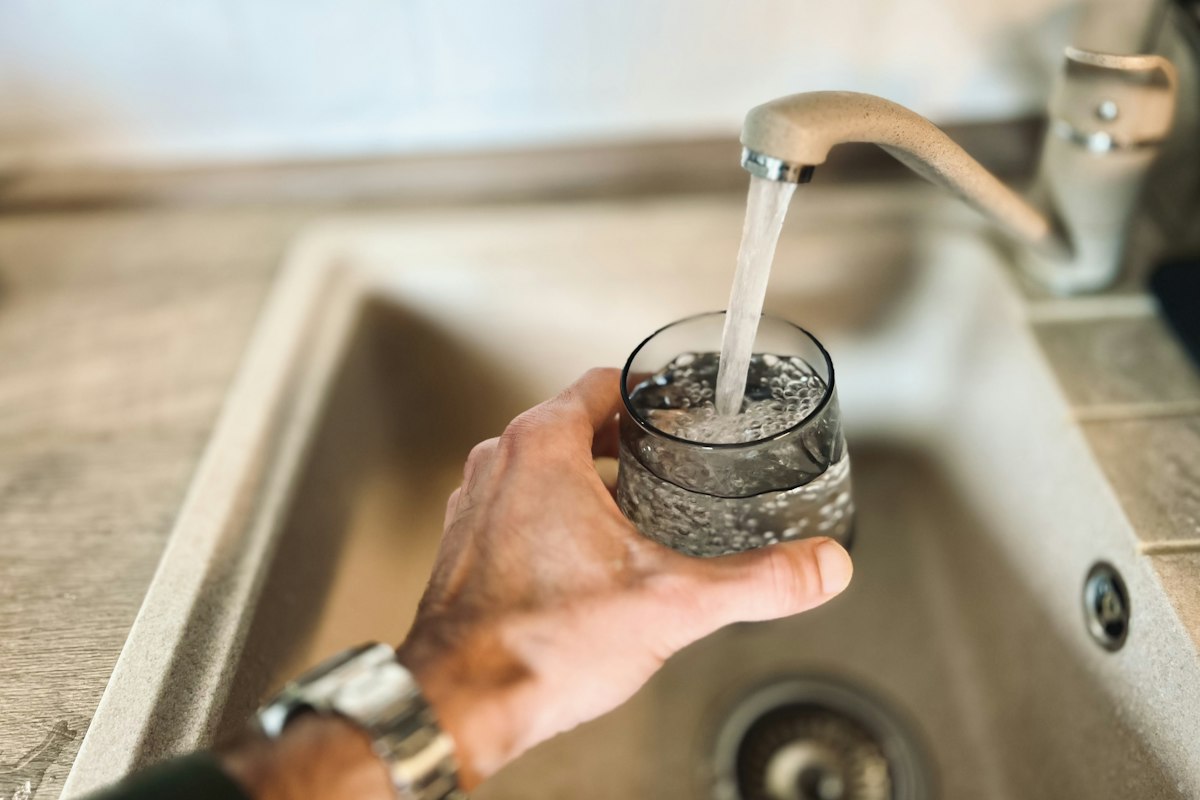
What Are Water Filtration Systems?
Water filtration systems are equipment installed in a home's plumbing to remove or reduce unwanted substances from the water, such as chlorine, sediment, iron, sulfur, lead, bacteria or dissolved solids. A system can treat all the water entering the house, called a point-of-entry or whole-house system, or only the water at one tap, called a point-of-use system, such as a reverse osmosis unit under the kitchen sink. The right system depends on what is actually in the water, which is why every good recommendation starts with a water test.
Treatment uses several technologies. Sediment filters strain out particles. Activated carbon adsorbs chlorine, chloramine, many organic chemicals, and taste and odor compounds. Reverse osmosis forces water through a membrane that removes most dissolved solids. Ultraviolet light disinfects water by deactivating bacteria and viruses. Specialty media remove iron, manganese and hydrogen sulfide. Many homes combine two or three stages.
Hardness is a special case handled by water softeners, covered on our water softener installation page.
Signs You May Need Water Treatment
- Chlorine taste or smell: common with city water.
- Rotten-egg smell: hydrogen sulfide, common in some well water.
- Metallic taste or orange stains: iron.
- Black stains: manganese.
- Cloudy or gritty water: sediment.
- Bad-tasting drinking water: a common reason to add a point-of-use filter.
- A positive bacteria test: in well water.
- Older home with possible lead pipes: testing for lead is recommended.
- Blue-green stains: corrosive water dissolving copper pipes.
Start With a Water Test
A water test tells you what to treat, so you do not pay for equipment you do not need. City water customers receive an annual Consumer Confidence Report from their utility, which lists detected contaminants at the treatment plant. That report does not show what happens in your own pipes, such as lead from old plumbing, so a tap test adds useful information. Private well owners are responsible for their own testing and should use a certified laboratory. Your local health department can recommend which tests to run.
Common Water Problems and Their Treatment
| Problem | Typical source | Common treatment |
|---|---|---|
| Chlorine or chloramine taste | City water disinfection | Activated carbon filter (catalytic carbon for chloramine) |
| Sediment | Wells, aging mains | Sediment filter |
| Hardness | Many regions | Water softener |
| Iron and manganese | Wells | Oxidizing filter or specialty media |
| Hydrogen sulfide (rotten egg smell) | Wells | Oxidation and filtration; sometimes aeration |
| Bacteria and viruses | Wells | UV disinfection, with pretreatment |
| Lead | Old service lines and plumbing | Filters certified for lead reduction; pipe replacement |
| Nitrates | Wells near farmland | Reverse osmosis or ion exchange |
| PFAS | Some city and well supplies | Certified carbon or reverse osmosis |
| Acidic water | Some wells | Neutralizing filter |
When choosing a filter for a health-related contaminant, look for certification to the relevant NSF/ANSI standard for that contaminant. Certification shows the product was independently tested to reduce it.
Types of Water Filtration Systems
| System | Treats | Where installed | Notes |
|---|---|---|---|
| Whole-house sediment filter | Particles | Main line | Protects downstream equipment |
| Whole-house carbon filter | Chlorine, taste, odor, some chemicals | Main line | Improves water at every tap |
| Reverse osmosis | Most dissolved solids, many contaminants | Under the kitchen sink | Excellent drinking water; produces wastewater |
| UV disinfection | Bacteria, viruses | Main line, after prefiltration | No chemicals; needs clear water and power |
| Iron and sulfur filter | Iron, manganese, hydrogen sulfide | Main line | Often backwashing |
| Acid neutralizer | Low pH | Main line | Protects copper pipes |
| Under-sink carbon filter | Taste, odor, some chemicals | One tap | Simple and inexpensive |
Whole-house and point-of-use systems often work together: a whole-house filter for bathing and appliances, and reverse osmosis at the kitchen sink for drinking and cooking.
Reverse Osmosis Explained
A reverse osmosis (RO) system pushes water through a semi-permeable membrane with very small pores. The membrane lets water molecules through while holding back most dissolved salts, metals and many other contaminants, which are flushed to the drain. A typical under-sink RO system has several stages: a sediment prefilter, a carbon prefilter to protect the membrane from chlorine, the RO membrane, a storage tank, and a carbon polishing filter before a dedicated faucet. RO systems produce some wastewater as part of the process, and newer designs waste less. Because RO removes minerals, some systems add a remineralization stage for taste.
How a Plumber Installs a Water Treatment System
- 1
Review the water test: decide what to treat and in what order.
- 2
Choose the location: near the main line for whole-house systems, under the sink for point-of-use systems.
- 3
Shut off water and drain the line.
- 4
Install bypass and isolation valves for maintenance.
- 5
Install the equipment in the right order: usually sediment, then specialty media or carbon, then softener, then UV last.
- 6
Connect drains and power where needed, with air gaps on drain lines.
- 7
Flush and test: flush new filters, check for leaks and confirm the result.
Order of Treatment Matters
Treatment stages are installed in a set order so each protects the next.
- 1
Sediment filter first, to keep particles out of everything else.
- 2
Iron, manganese or sulfur treatment, which can foul other media.
- 3
Water softener, where needed.
- 4
Carbon filtration for chlorine and chemicals.
- 5
UV disinfection last, on clear, treated water, close to the point of use.
What Affects the Cost of Water Treatment?
| Factor | Effect on cost |
|---|---|
| What needs treating | More contaminants mean more stages |
| Whole-house or point-of-use | Whole-house systems cost more |
| Water volume and flow | Larger homes need higher-capacity equipment |
| Installation complexity | Space, drains, power and plumbing changes |
| Certification | Certified systems may cost more but are verified |
| Ongoing costs | Filter cartridges, membranes, UV lamps and media |
How Long Does Installation Take?
An under-sink filter or RO system usually takes one to two hours. A whole-house filter takes two to four hours. A multi-stage system for well water can take most of a day.
Maintaining Water Treatment Equipment
- Replace filter cartridges on schedule: clogged filters reduce pressure and stop working.
- Replace RO membranes as the manufacturer recommends.
- Replace UV lamps yearly and clean the quartz sleeve.
- Sanitize RO systems when changing filters.
- Retest the water after installation and periodically.
- Keep a maintenance log.
City Water vs. Well Water Treatment
City and well water bring different problems, so treatment plans differ.
City water is treated at a central plant and tested regularly, so the main concerns at the tap are usually the taste and smell of chlorine or chloramine used for disinfection, lead from old service lines or plumbing, and contaminants the treatment plant does not fully remove in some areas. A whole-house carbon filter improves taste and odor at every tap, and a certified point-of-use filter or reverse osmosis system addresses lead and other drinking water concerns.
Well water is not treated before it reaches the house, and its quality depends on local geology, nearby land use and the condition of the well. Common well water problems include hardness, iron, manganese, hydrogen sulfide, sediment, acidity, nitrates and bacteria. A treatment plan for a well is usually built from several stages, chosen from a lab test, and checked again after installation. Because well water can change after floods, droughts or nearby construction, regular testing is part of owning a well.
Whole-House Filters and Water Pressure
Every filter causes some loss of pressure as water passes through it, and the loss grows as the filter clogs. A correctly sized whole-house system uses housings and media rated for the home's peak flow, so pressure at the taps stays comfortable. Undersized cartridges are a common cause of weak showers after a filter is installed. A pressure gauge before and after the filter shows when a cartridge needs changing. If pressure was already low before treatment was added, the cause may lie elsewhere; see water pressure repair.
UV Disinfection Explained
An ultraviolet disinfection system passes water through a chamber around a UV lamp housed in a quartz sleeve. The UV light damages the genetic material of bacteria, viruses and protozoa so they cannot reproduce, without adding chemicals or changing taste. UV works only on clear water, because particles, iron and hardness can shield microbes or coat the quartz sleeve, so it is installed after sediment filtration and other pretreatment. The lamp must be replaced on schedule, usually once a year, even if it still glows, because its output falls over time. Many units include a sensor or alarm that warns when UV output is too low.
Lead in Drinking Water
Lead enters drinking water mainly from plumbing, not from the source. Lead service lines, lead solder used on copper pipes before the mid-1980s, and some older brass fixtures can release lead, especially when water sits in the pipes for hours. Lead has no safe level of exposure, particularly for children and during pregnancy, so health agencies recommend testing homes with older plumbing.
If a test shows lead, the most effective long-term fix is replacing the lead service line and any lead plumbing inside the home. Until then, use a filter certified to reduce lead for drinking and cooking water, run the cold tap for a short time when water has been sitting, and use only cold water for cooking and making baby formula. Your water utility can tell you whether your address has a known lead service line and whether a replacement program is available. Many utilities also offer free or low-cost lead testing kits for residents, and some states run their own programs.
Corrosive Water and Copper Pipes
Acidic or otherwise corrosive water slowly dissolves copper from pipes, leaving blue-green stains on sinks and tubs and causing pinhole leaks over time. It is most common in some well supplies. An acid neutralizing filter raises the pH by passing water through a mineral such as calcite, which protects copper plumbing and fixtures. The mineral dissolves slowly as it works, so the tank is topped up periodically, and it is backwashed to keep the bed loose. Very acidic water may need a different method, such as soda ash feed, which a water treatment specialist can recommend after testing. Neutralizing filters can make water slightly harder, so they are sometimes paired with a softener installed after them in the treatment train. Treating corrosive water early can prevent the repeated pinhole leaks that otherwise lead to whole-house repiping.
Questions to Ask Your Plumber
- 1
What did my water test show, and what will this system treat?
- 2
Is the system certified for the contaminants I am concerned about?
- 3
What is the ongoing maintenance and cost?
- 4
How will the system affect water pressure?
- 5
Where do drain lines go, and is there an air gap?
Water Filtration FAQs
Do I need a whole-house filter or just a drinking water filter?
It depends on the water. Chlorine taste or sediment affects the whole house and suits a whole-house filter. Concerns about drinking water quality are often best handled by reverse osmosis at the kitchen sink.
Does a water filter remove lead?
Some filters do. Choose one certified to NSF/ANSI standards for lead reduction, and consider replacing lead pipes. See main water line repair for lead service lines.
Is reverse osmosis water safe to drink?
Yes. Reverse osmosis is widely used for drinking water and removes many contaminants. Some people add a remineralization stage for taste.
How often should filters be changed?
It depends on the filter and water use. Sediment and carbon cartridges are often changed every few months to a year, and RO membranes every few years. Follow the manufacturer's schedule.
Can a filter make well water safe?
A properly designed treatment system can address many well water problems, including bacteria with UV disinfection. Test the water first and retest after installation.
Related Plumbing Services
Water treatment connects to several services. Hardness is handled through water softener installation, well systems through well pump repair, and lead service lines through main water line repair. Treated water also helps protect equipment covered under tankless water heater installation.